

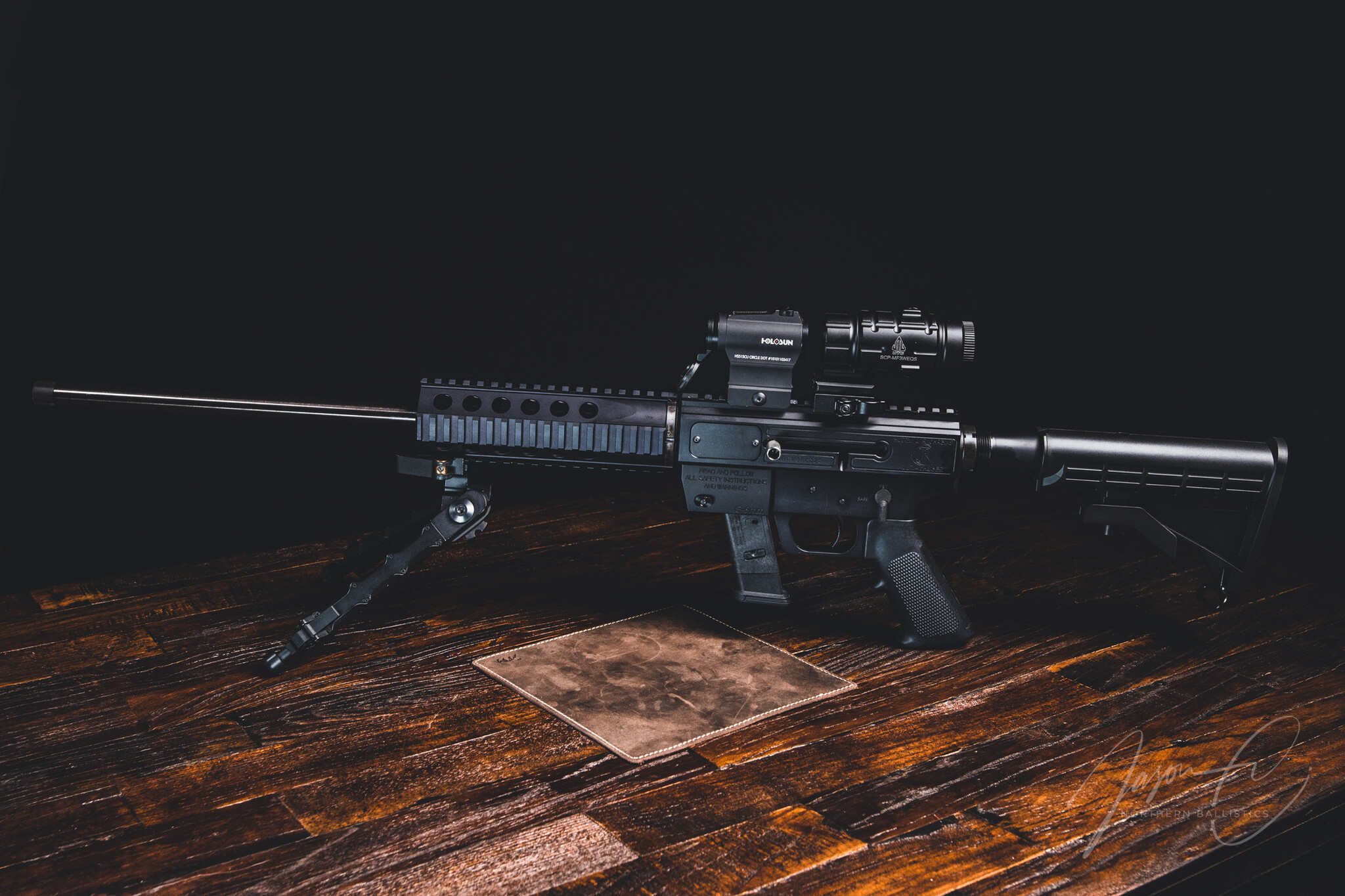
Master Wilderness Exploration: Essential Firearm and Ammo Guide 2024
When embarking on wilderness exploration, selecting the right firearm is a crucial decision that can impact both safety and enjoyment. This article delves into the various options available for adventurers, from the versatility of shotguns to the precision of rifles, and even non-traditional choices like BB, pellet, and airsoft guns. Additionally, the importance of choosing the appropriate ammunition cannot be overstated, as it is the lifeblood of any firearm. With a focus on personal defense, hunting, and the logistics of ammo storage, this guide aims to equip explorers with the knowledge needed to choose their perfect sidearm for the great outdoors.
Key Takeaways
-
Understanding the different types of firearms suitable for wilderness exploration is essential for making an informed choice that aligns with one's needs, whether for personal defense or hunting.
-
Selecting the right ammunition is critical, as it affects the performance and reliability of the firearm; considerations include caliber, bullet type, and the potential for reloading.
-
Non-traditional firearms such as BB, pellet, airsoft, and paintball guns can serve as valuable training tools or lighter alternatives for certain wilderness activities.
Choosing Your Trusty Sidearm
Understanding Firearm Types for the Wild
When you're gearing up for a wilderness adventure, selecting the right firearm is crucial for your safety and hunting success. Understanding the different types of firearms and their specific uses can make all the difference. Here's a quick rundown to help you get started:
-
Shotguns are incredibly versatile, suitable for a range of game from birds to larger animals. They come in various actions like semi-auto, pump, and break action.
-
Rifles offer precision and power, essential for long-range shooting. Bolt action and semi-auto are popular choices among explorers.
-
For a lighter option, BB/Pellet guns can be handy for small game and target practice.
-
Airsoft and Paintball guns serve well for training purposes or just having fun without lethal consequences.
Remember, the best firearm is the one that fits your specific needs in the wilderness. Whether it's for protection or hunting, choose a firearm that you're comfortable with and can handle confidently.
It's also worth noting that some explorers prefer non-traditional options like slingshots for their simplicity and quiet operation. No matter your choice, always prioritize safety and ensure you're following local regulations. And if you're looking to test out some of the best rifles on the market, take a cue from the Outdoor Life team who put them through rigorous testing at the Gunsite Academy, where new long-guns rose to the top.
Shotgun Selection: Versatility in the Wilderness
When you're trekking through the backcountry, a shotgun can be your best friend. Its versatility is unmatched, allowing you to hunt small game with birdshot or take down larger threats with buckshot or slugs. Choosing the right shotgun is about balancing weight, reliability, and the type of game you're after.
Here's a quick rundown of the different actions you might consider:
-
Semi-auto: Quick follow-up shots, less manual action required.
-
Pump: Reliable and simple, a classic choice.
-
Break action: Single or double barrel, easy to maintain.
-
Lever action: Uncommon but with a historical charm.
-
Revolver action: Rare, with a revolving cylinder like a handgun.
Remember, the best shotgun is the one that feels right in your hands and suits your wilderness needs. It's not just about firepower; it's about how it complements your journey in the wild.
Ammunition is just as important as the firearm itself. From the versatile .22LR for small game to the powerful 12-gauge for larger animals, ensure you have the right ammo for the job. And don't forget, proper ammo storage is crucial to keep your rounds safe and dry in the unpredictable wilderness.
Rifles: Precision and Power for Exploration
When venturing into the wilderness, a rifle can be your best ally. Rifles offer the precision and power necessary for both protection and hunting. With a variety of calibers and styles, from the classic bolt-action to the modern semi-auto, there's a rifle to suit any explorer's needs.
Choosing the right rifle is about balancing the need for lightweight portability with the requirement for effective range and stopping power. Consider the game you might encounter and the distances you'll be shooting.
Here's a quick rundown of popular rifle calibers and their common uses in the wild:
-
.22LR: Small game and varmint hunting
-
5.56 NATO/.223 Rem.: Versatile for medium game and self-defense
-
7.62x39: Larger game with moderate recoil
-
.308 Win: Big game and long-range shooting
-
6.5 Creedmoor: Precision shooting and long distances
Remember, the right rifle is one that feels comfortable in your hands, suits your exploration needs, and fits within local regulations. Always practice safe handling and ensure you're familiar with your firearm before heading out.
Non-Traditional Options: BB, Pellet, and More
When venturing into the great outdoors, you might consider some non-traditional options for your sidearm. BB, pellet guns, and even slingshots can be surprisingly effective for small game and are generally quieter than traditional firearms. These options are also lighter to carry, which is a huge plus on longer treks.
Here's a quick rundown of what you might find in the non-traditional arsenal:
-
BB/Pellet/Slingshot: Ideal for small game, target practice, and training.
-
Airsoft: Great for tactical training and simulations.
-
Paintball: Fun for recreational use and team-building exercises.
Remember, while these options may not have the stopping power of a shotgun or rifle, they offer unique advantages in terms of portability and discretion.
Always check local regulations before heading out, as some areas may have restrictions on the use of these types of weapons. And, of course, always prioritize safety when handling any type of firearm or projectile weapon.
Airsoft and Paintball: Training and Fun Alternatives
When it comes to wilderness exploration, not everyone is looking for the lethal force of traditional firearms. That's where airsoft and paintball come into play. These non-lethal alternatives offer a way to train your shooting skills and have a blast with friends, all without the risks associated with live ammunition. Airsoft guns and paintball markerscan mimic the weight and feel of real firearms, providing valuable handling experience.
While they may not be suitable for actual defense or hunting in the wild, airsoft and paintball can be excellent for scenario-based training and recreational fun.
Here's a quick rundown of what you might need for a basic airsoft or paintball setup:
-
Airsoft or paintball gun (marker)
-
Ammunition (BBs or paintballs)
-
Protective gear (mask, gloves, etc.)
-
CO2 or air tanks
-
Magazines or hoppers
Remember, safety is key even with these less dangerous options. Always wear eye protection and follow the rules of the field. And hey, if you're looking to sharpen your aim or just let off some steam, these alternatives might just be the perfect fit.
Ammunition: The Lifeblood of Your Firearm
Handgun Ammo: Calibers for Personal Defense
When you're miles from civilization, the right handgun ammunition can make all the difference. Choosing the correct caliber for personal defense is crucial, as it balances stopping power with recoil management. For wilderness exploration, you might consider larger calibers like .357 MAG or .44 REM. MAG. for their stopping power against wild threats. However, for those more comfortable with less recoil, 9MM or .38 SPECIAL could be more suitable.
Here's a quick rundown of popular handgun calibers for personal defense:
-
.30 LUGER (7.65 PARA)
-
.32 ACP
-
.357 MAG
-
.38 SPECIAL
-
.380 AUTO
-
.40 S&W
-
.44 REM. MAG.
-
.45 ACP
-
9MM (9x19)
Remember, the best caliber is one you can shoot accurately and handle confidently. It's about finding the right balance for you.
Always consider the availability of ammunition, as some calibers can be harder to find in remote areas. It's wise to stock up before heading out and ensure you're comfortable with the chosen firearm and ammunition through regular practice.
Rifle Rounds: Matching Caliber with Game
When you're out in the wild, the right rifle caliber can make all the difference. Choosing the appropriate caliber for the game you're targeting is crucial for ethical hunting and effective results. Here's a quick rundown on matching your rifle rounds with your game:
-
Small Game (e.g., rabbits, squirrels): .22 LR, .17 HMR
-
Medium Game (e.g., deer, antelope): .243 Win, .30-30 Win, 6.5 Creedmoor
-
Large Game (e.g., elk, moose): .308 Win, .300 Win Mag, 7mm Rem Mag
-
Varmints (e.g., coyotes, groundhogs): .223 Rem, .22-250 Rem
Remember, the goal is to use a caliber that ensures a clean, humane kill. Overpowered rounds can cause unnecessary damage, while underpowered ones may result in a wounded animal.
It's not just about power, though. Consider the terrain and typical engagement distances. A .308 might be overkill in dense brush, but just right in open country. And always, always make sure you're comfortable with the recoil and can shoot accurately with the caliber you choose. After all, the best caliber is the one you can handle confidently in the field.
Shotgun Shells: Buckshot vs. Slug
When you're deep in the wilderness, the type of shotgun shell you choose can make all the difference. Buckshot is your go-to for versatility, offering a spread of pellets that increases your chances of hitting a moving target. It's ideal for smaller game and home defense scenarios. On the flip side, slugs are a single, heavy projectile designed for larger game, delivering a powerful punch with pinpoint accuracy over longer distances.
-
Buckshot: Multiple pellets, wider spread, shorter range.
-
Slug: Single projectile, narrow trajectory, longer range.
Remember, the choice between buckshot and slug should be guided by your intended use and the game you're after. Buckshot for flexibility, slugs for precision.
Always consider the regulations and game you'll be encountering. Some areas may restrict the use of certain types of ammunition, so it's crucial to do your homework before heading out. Whether you're protecting your campsite or tracking a trophy, selecting the right shell is paramount to your wilderness exploration success.
Reloading Supplies: Crafting Your Own Rounds
Venturing into the world of reloading can be both a cost-effective and rewarding hobby. Crafting your own roundsallows for customization and a deeper understanding of your firearm's performance. Here's a quick guide to get you started:
-
Powder: The propellant that sends the bullet flying.
-
Primers: The spark that ignites the powder.
-
Dies sets: Used to resize and decap brass, among other functions.
-
Presses: The tool that brings all components together to assemble the round.
-
Brass: The casing that holds all the components.
-
Bullets: The projectile that hits your target.
Remember, precision is key. Each component must be carefully measured and inspected for defects. A single oversight can result in poor performance or even damage to your firearm.
Reloading isn't just about saving money; it's about tailoring your ammunition to your specific needs. Whether you're after tighter groupings or specific ballistic performances, reloading gives you the control. Just be sure to follow all safety guidelines and start with a basic setup before expanding your arsenal of reloading equipment.
Ammo Storage: Keeping Your Supply Safe and Dry
When it comes to wilderness exploration, having a reliable firearm is only half the battle; the other half is ensuring your ammunition is stored properly to prevent any mishaps or deterioration. Keeping your ammo safe and dry is crucial, especially when you're facing the unpredictable elements of the great outdoors. Moisture is the enemy of ammunition, leading to corrosion and misfires, so investing in a good storage solution is a must.
Here's a quick checklist to help you maintain the integrity of your ammo:
-
Use airtight containers with desiccants to absorb moisture.
-
Store ammo in a cool, dry place away from direct sunlight.
-
Regularly check your ammo for any signs of damage or corrosion.
-
Keep your storage area organized to easily track your inventory.
Remember, proper storage extends the life of your ammunition, ensuring it's ready when you need it most.
For those who like to be extra prepared, consider purchasing ammo in bulk. Places like Siwash Sports Canada can hook you up with the quantities you need, and they'll even guide you on the specifics, like PAL requirements. Just make sure to inquire about their return policy, which typically gives you 30 days to make up your mind. And hey, don't forget to subscribe to their newsletter for the latest offers and updates on gear.
Ammunition is the lifeblood of your firearm, and at Siwash Sports, we understand the importance of providing high-quality rounds for every shot. Whether you're a competitive shooter, a hunter, or a firearms enthusiast, our extensive selection of ammunition ensures your firearm is always ready for action. Don't let your performance be hindered by subpar ammo; visit our website to explore our top-tier ammunition options and elevate your shooting experience today. Your firearm deserves the best—feed it with premium ammunition from Siwash Sports.
Conclusion
Alright, folks! We've covered a lot of ground in our journey to find the perfect firearm for wilderness exploration. From the trusty reliability of a good ol' lever-action rifle to the versatility of a semi-auto shotgun, there's a tool for every trailblazer out there. Remember, the right firearm isn't just about firepower; it's about comfort, suitability for the environment, and your own skill level. Whether you're warding off wildlife or just plinking cans at your campsite, safety and preparedness are key. So, take your time, do your research, and maybe pay a visit to Siwash Sports for a chat with the pros. Keep your wits sharp and your powder dry, and you're sure to have a blast out there in the great wild yonder!
Frequently Asked Questions
What are the key considerations when selecting a firearm for wilderness exploration?
When selecting a firearm for wilderness exploration, consider the type of wildlife in the area, the firearm's weight and portability, its versatility for hunting and defense, the ease of obtaining ammunition, and the firearm's reliability and durability in harsh conditions.
What are the benefits of choosing a shotgun for wilderness activities?
Shotguns offer versatility with the ability to use different types of ammunition such as buckshot for defense and slugs for hunting larger game. They are also generally reliable and easier to use for shooters of all skill levels.
How should I store ammunition to ensure it remains safe and dry in the wilderness?
Ammunition should be stored in waterproof containers or bags with desiccants to absorb moisture. Containers should be durable, sealed tightly, and kept away from direct sunlight and extreme temperatures to maintain the ammunition's integrity.


