

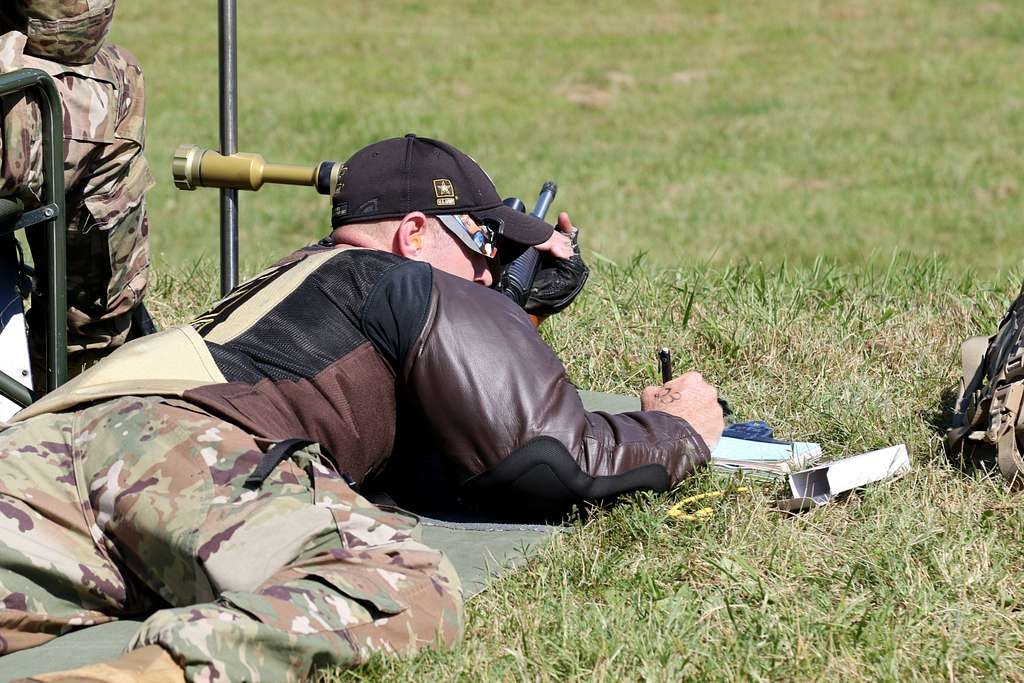
Mastering Long-Range Shooting: Techniques, Gear, and Practice
Long-range shooting is a skill that combines precision, patience, and knowledge of advanced techniques and equipment. Whether for competitive shooting, hunting, or personal enjoyment, mastering the art of hitting targets at a distance requires a deep understanding of the fundamentals, the right gear, and a commitment to practice. This article delves into the essential techniques and tools that can help shooters improve their long-range capabilities, from the basics of stance and ballistics to the intricacies of scope adjustments and mental toughness.
Key Takeaways
-
Mastering long-range shooting starts with a solid grasp of the fundamentals, including proper stance, breathing, and trigger control.
-
Selecting the right equipment is crucial, with particular attention to the rifle, scope, and supporting gear like bipods.
-
Advanced scope adjustment techniques, such as reading the wind and understanding parallax, are key to accurate long-distance shooting.
-
Regular practice through drills and exercises, including both dry and live firing, is essential for honing long-range shooting skills.
-
Continuous improvement and mental toughness are vital, with opportunities in competitive shooting and educational resources to further enhance one's abilities.
Getting the Basics Down: Long-Range Shooting Fundamentals
Stance and Positioning: Building a Solid Foundation
Getting your stance right is the cornerstone of long-range shooting. Think of it as the chassis of a car; everything builds upon it. A stable stance ensures consistency and accuracy, shot after shot. Whether you're lying prone or standing, the key is to be comfortable and steady.
-
Keep your feet shoulder-width apart for balance.
-
Align your body behind the rifle to absorb recoil.
-
Relax your muscles to avoid fatigue and maintain precision.
Remember, the goal is to become one with your rifle. A harmonious stance reduces the need for excessive adjustments during aiming.
Choosing the right gear is also crucial. Your clothing should allow freedom of movement and be suitable for the environment. The right firearm accessories can make a significant difference. Opt for quality optics and ensure your hunting supplies support your shooting style. Whether it's reloading equipment or various accessories, each piece plays a role in your long-range shooting setup.
Breathing and Trigger Control: Timing Your Shots
Getting your breathing right is crucial for long-range shooting. It's all about finding that sweet spot where your body is naturally at rest. Take a deep breath, let it out halfway, and hold—that's your moment of least movement, your golden second for squeezing the trigger.
-
Inhale deeply and exhale halfway
-
Hold your breath to minimize body movement
-
Squeeze the trigger gently during the natural respiratory pause
Remember, it's not a race. Take your time to align your shot. Rushing will only lead to mistakes.
Trigger control is just as important. A jerky trigger pull can throw off your aim by inches or even feet at long distances. Practice a smooth, consistent pull with just the tip of your index finger. This will help you maintain your sight pictureand hit your target accurately.
Understanding Ballistics: How Bullets Behave Over Distance
When you're sending lead downrange, knowing how your bullet will travel through the air is crucial. Ballistics is the science of how projectiles move, and it's a game-changer for long-range shooters. There are a few key factors that affect a bullet's flight: gravity, air resistance, and wind, to name a few.
-
Gravity pulls the bullet downward, creating a curved trajectory.
-
Air resistance slows the bullet over distance, affecting velocity and stability.
-
Wind can push the bullet off course, requiring adjustments to your aim.
Remember, bullets don't travel in a straight line. They arc. And the further they go, the more pronounced that arc becomes. Mastering ballistics means you'll be able to predict that arc and adjust your aim accordingly.
Understanding the nuances of ballistics can be the difference between hitting your mark and missing it by inches—or even feet. It's not just about the caliber or the gun; it's about how well you can gauge the journey of your bullet from barrel to target.
The Gear That Gets You There: Essential Equipment for Long-Range Shooting
Choosing the Right Rifle: What to Look for
When you're on the hunt for the perfect long-range rifle, it's easy to get lost in the sea of options. But fear not, sharpshooter! The key is to focus on a few critical aspects that can make or break your shooting experience. The rifle's caliber is a cornerstone choice, impacting everything from the type of game you can hunt to the recoil you'll handle.
Here's a quick rundown of what to consider:
-
Caliber: Match it to your intended use and comfort level.
-
Barrel Length: Longer barrels can increase accuracy but may add weight.
-
Action Type: Bolt-action rifles are a favorite for their reliability and precision.
-
Stock Material: Synthetic stocks are durable and weather-resistant, while wood has a classic feel.
-
Trigger Quality: A crisp, consistent trigger pull is vital for accuracy.
Remember, a rifle is more than just a tool; it's an extension of the shooter. Ensuring a good fit with your body and shooting style is crucial.
Accessories and optics are also part of the equation. Whether you're looking for reloading equipment or a new scope, these add-ons can enhance your shooting experience. And let's not forget about the importance of proper clothing and safety gear, which can keep you comfortable and focused on the task at hand.
Scopes and Sights: Zooming in on Your Target
When it comes to long-range shooting, having the right scope can make all the difference. Choosing a scope is about more than just magnification; it's about clarity, reticle type, and how well it holds zero. Here's a quick rundown on what to keep an eye out for:
-
Magnification: Essential for seeing your target clearly at a distance.
-
Lens Quality: Affects the clarity and brightness of your view.
-
Reticle Type: From simple crosshairs to complex grid systems, choose one that suits your shooting style.
-
Adjustment Features: Look for turrets that offer precise control over windage and elevation.
Remember, a more expensive scope doesn't always mean a better one. It's about finding the right fit for your rifle and your shooting needs.
When you're browsing for scopes, consider the types of optics and accessories that complement your shooting. Whether you're after various calibers, reloading components, or just the right clothing for a day at the range, it's all about the details. And don't forget, a good scope is an investment in your accuracy and enjoyment of the sport.
Support Gear: Bipods, Mats, and More
When it comes to long-range shooting, having the right support gear is just as crucial as the rifle itself. A stable shooting platform is key to accuracy, and that's where bipods and shooting mats come into play. Bipods provide a steady rest for your rifle, and mats offer comfort and stability for the shooter.
-
Bipods: Adjustable for height and tilt, they enhance stability and reduce fatigue.
-
Mats: Protect you from the ground and help maintain a consistent shooting position.
-
Rear Bags: Aid in rifle elevation control and fine-tuning of the aim.
Remember, the goal is to create a shooting environment that's as stable and comfortable as possible, minimizing variables that can affect your shot.
Choosing the right accessories can be overwhelming with the plethora of firearm accessories and hunting suppliesavailable. It's important to select gear that complements your shooting style and the conditions you'll be facing. Whether it's ammunition, reloading tools, or various accessories for hunting and shooting sports, each piece plays a role in your long-range shooting setup.
Dialing It In: Advanced Scope Adjustment Techniques
Reading the Wind: Compensating for Nature's Influence
Mastering the art of long-range shooting means you've got to become a bit of a weather wizard. Wind is the trickster of ballistics, turning a perfect shot into a miss with just a gentle breeze. But fear not, with a few tips, you can start to predict its moves and adjust your aim accordingly.
-
First, observe the environment. Look for grass, trees, or even dust that can clue you in on wind direction and speed.
-
Second, learn to use wind flags or make your own with simple materials like streamers.
-
Third, practice estimating wind speed. A mild 3-5 mph wind will barely nudge your bullet, but a 10 mph wind can push it off course significantly.
Remember, it's not just about feeling the wind on your face; it's about understanding how it interacts with your bullet over the entire distance to the target.
Lastly, don't get discouraged. Wind reading is an art that comes with time and experience. Keep practicing, and you'll find your shots getting closer and closer, even on the breeziest of days.
Elevation and Windage: Fine-Tuning Your Aim
Getting your shots on target at long distances isn't just about having a steady hand; it's about mastering the art of elevation and windage adjustments. These tweaks to your scope can mean the difference between a miss and a bullseye.
When you're dialing in your scope, think of it as a delicate dance with the elements. Elevation adjustments compensate for bullet drop over distance, while windage adjustments account for the horizontal shift caused by breezes or gusts. Here's a quick rundown on how to make these critical adjustments:
-
Elevation: Use the turret on the top of your scope to adjust the reticle up or down.
-
Windage: The turret on the side of your scope will let you shift the reticle left or right.
Remember, each click of the turret typically represents a certain amount of movement at a specific distance, often measured in minutes of angle (MOA) or milliradians (mrad).
It's all about small, precise movements. One click at a time can lead to significant improvements in accuracy.
Always keep in mind the type of optics you're using, as different scopes may have different click values. And don't forget to factor in the caliber of your rifle; different bullets will behave differently over long ranges. With practice, you'll learn the nuances of your equipment and how to adjust for the perfect shot.
The Role of Parallax: Achieving Clear Focus at Long Distances
When it comes to long-range shooting, parallax can be a real buzzkill if not properly adjusted. It's all about getting that reticle and target on the same focal plane, ensuring your aim is true regardless of eye position. But fear not, dialing out parallax isn't rocket science.
Here's a quick rundown on how to tackle it:
-
Start by setting your scope to the highest magnification.
-
Look through the scope and slightly shift your head. Notice any movement of the reticle across the target? That's parallax.
-
Adjust the parallax knob (usually found on the side or near the objective lens) until the reticle stays put as you move your head.
Remember, parallax adjustment isn't a set-it-and-forget-it deal. It changes with distance, so tweak it as your target moves further away or closer.
Once you've got the hang of it, you'll find your shots are more consistent, and those long-distance bullseyes will start feeling like second nature. And hey, if you're in the market for some new gear, check out the latest from brands like Burris Optics and Bushnell. They've got scopes and binoculars that can help you nail down the perfect shot, with prices that won't make your wallet weep.
Practice Makes Perfect: Training Drills and Exercises
Dry Firing: Sharpening Skills Without Live Rounds
Dry firing is a critical practice technique for any long-range shooter looking to improve their skills. It's the act of pulling the trigger on an empty chamber, allowing you to focus on your form without the distraction of recoil and noise. This method is especially beneficial for mastering trigger control and honing your muscle memory.
-
Stance and grip: Ensure you're in the correct position each time you dry fire.
-
Sight alignment: Practice aligning your sights or scope reticle without the pressure of a live shot.
-
Trigger pull: Work on a smooth, consistent pull to avoid jerking the gun.
-
Follow-through: Even without a bullet, it's important to go through the motions of your shot.
Dry firing is not just about pulling the trigger; it's a comprehensive approach to ingraining the fundamentals of shooting into your muscle memory.
Remember to check your firearm and ensure it's unloaded before beginning any dry fire practice. Incorporate this technique into your regular training routine to see significant improvements in your live-fire performance.
Live-Fire Drills: Real-World Shooting Scenarios
Once you've dry-fired to your heart's content, it's time to bring in the big guns—literally. Live-fire drills are where the rubber meets the road, testing your skills with actual rounds downrange. Here's a quick rundown to get you started:
-
Vary your distances: Start close to build confidence, then gradually increase the range.
-
Mix up positions: Shoot from standing, kneeling, and prone to simulate different scenarios.
-
Time pressure: Incorporate a timer to add stress and improve your reaction times.
Remember, safety is paramount. Always double-check your gear, including your firearm accessories and optics, before starting. And hey, don't forget to dress for success—comfortable clothing can make a difference when you're spending hours at the range.
Consistency is key. Keep your drills regular and your focus sharp. Over time, you'll see significant improvements in your accuracy and confidence.
As you progress, start incorporating more complex scenarios. Use different targets, engage in shoot/no-shoot drills, and practice with various accessories for guns and gear to mimic real-world conditions. Keep a log of your sessions—tracking your progress is crucial for long-term improvement.
Keeping a Shooter's Log: Tracking Your Progress
Keeping a detailed shooter's log is a critical step in honing your long-range shooting skills. It's not just about recording your shots, but understanding the story they tell. Each entry should include the date, location, firearm used, ammunition type, and environmental conditions. Over time, you'll start to see patterns in your performance that can guide your practice sessions.
-
Date
-
Location
-
Ammunition type
-
Weather conditions
-
Distance to target
-
Shot results
Remember, the goal of a shooter's log is to identify areas for improvement and track the effectiveness of changes you make to your technique or equipment.
By regularly reviewing your log, you can make data-driven decisions about what to focus on next. Maybe it's tweaking your stance or adjusting for windage more effectively. Whatever the case, your log is your roadmap to becoming a better marksman.
Beyond the Basics: Taking Your Skills to the Next Level
Competitive Shooting: Testing Your Mettle
Stepping into the competitive shooting arena is a surefire way to gauge your long-range shooting prowess. It's not just about precision; it's about consistency under pressure. Competitions come in various formats, each with its own set of rules and challenges. Whether you're into precision rifle series, benchrest shooting, or F-class, there's a discipline for every sharpshooter.
Remember, competitive shooting isn't just a test of skill; it's a celebration of the shooting community. It's where you can share experiences, pick up tips, and forge lasting friendships.
To get started, you'll need to gear up. Here's a quick rundown of what you might need:
-
Firearms: Choose a rifle that fits the specific requirements of your chosen competition.
-
Optics: A quality scope can make or break your performance.
-
Clothing: Comfort and practicality should guide your choices.
-
Accessories: Don't forget the essentials like ear and eye protection.
-
Hunting Supplies: While not always necessary, these can come in handy for certain events.
Each item plays a pivotal role in your competitive journey. As you dive deeper into the sport, you'll find that the right accessories and optics are as crucial as your shooting skills. And let's not forget about clothing; being comfortable means you can focus more on your target and less on your attire. So, load up on ammunition, fine-tune your reloading equipment, and get ready to make your mark!
Mental Toughness: Staying Focused Under Pressure
When the heat is on and the stakes are high, your mental game is just as crucial as your physical skills. Mental toughness is the armor you wear against the pressure of long-range shooting competitions or challenging hunts. It's about staying calm, maintaining focus, and executing your shots with precision, no matter the distractions or stressors.
-
Recognize the signs of stress and develop strategies to combat them.
-
Visualize success and use positive self-talk to boost confidence.
-
Establish a pre-shot routine to create consistency and reduce anxiety.
Remember, the mind leads and the body follows. Training your brain to stay cool under pressure can make the difference between a missed opportunity and a triumphant shot.
Building mental resilience takes time and practice. Start by setting small, achievable goals and gradually increase the difficulty as you grow more comfortable with stress. Keep a shooter's log to track your progress and identify patterns in your performance under pressure. And don't forget, even the most seasoned shooters need to continuously hone their mental edge.
Continual Learning: Courses and Resources for Improvement
Once you've got the hang of the basics and are comfortable with your gear, it's time to think about continual learning. The world of long-range shooting is always evolving, with new techniques and technologies emerging. To stay on top of your game, consider enrolling in courses that challenge your skills and expand your knowledge.
-
Look for local and online courses that cover advanced shooting techniques.
-
Join forums and communities where experienced shooters share insights.
-
Subscribe to magazines and publications dedicated to long-range shooting.
Remember, the best shooters never stop learning. They're always on the lookout for ways to refine their skills and understand the intricacies of their sport.
Don't forget to check out the latest in firearm accessories, optics, and clothing. Staying updated with the newest gear can give you an edge in precision and comfort. Whether it's reloading equipment or various accessories for your gun, being well-equipped is part of the learning process.
Are you ready to elevate your marksmanship and outdoor adventure game? Dive deeper into the world of precision and performance with our extensive selection of firearms, ammunition, and gear. Don't settle for the basics when you can enhance your skills with the best equipment on the market. Visit Siwash Sports today and take the first step towards becoming a sharpshooting aficionado. Click here to explore our collection and start your journey beyond the basics.
Wrapping It Up: The Marksman's Journey
And there you have it, folks – a deep dive into the world of long-range shooting. We've covered the gamut, from the nitty-gritty of ballistics to the zen of breathing techniques. Remember, mastering the art of long-range shooting is a marathon, not a sprint. It's about the gear, sure, but it's also about the grit – the hours of practice, the patience, and the passion for precision. So, take these tips, grab your favorite rifle, and hit the range. With every shot, you're not just hitting targets – you're hitting new levels of personal achievement. Keep your eye on the prize, and who knows? Maybe I'll see you out there, making those jaw-dropping shots look like a walk in the park. Shoot straight, stay safe, and most importantly, have fun!
Frequently Asked Questions
What are the key fundamentals of long-range shooting?
The key fundamentals include a proper stance and positioning to create a stable platform, controlled breathing and precise trigger control for timing shots, and a deep understanding of ballistics to predict bullet behavior over long distances.
How do I choose the right rifle for long-range shooting?
When choosing a rifle, consider factors such as caliber, barrel length, action type, and overall rifle weight. It's essential to select a rifle that suits your intended use case, whether it be for competition, hunting, or tactical applications.
What type of scope is best for long-range shooting?
A high-quality scope with adequate magnification, a reticle that suits your needs, and reliable turret adjustments for elevation and windage is crucial. Look for scopes with clear optics and features like first focal plane reticles that scale with magnification.
How do I adjust my scope for wind and elevation changes?
Use the turret adjustments on your scope to compensate for wind (windage) and bullet drop over distance (elevation). It's important to understand how to read wind conditions and know the ballistic characteristics of your ammunition to make accurate adjustments.
What are some effective long-range shooting drills?
Effective drills include dry firing to practice mechanics without live rounds, live-fire exercises that simulate real-world scenarios, and using a shooter's log to track your progress and identify areas for improvement.
How can I continue to improve my long-range shooting skills?
Continuous improvement can be achieved through regular practice, participating in competitive shooting events, maintaining mental toughness, and seeking out advanced courses or resources to learn new techniques and stay current with best practices.


