

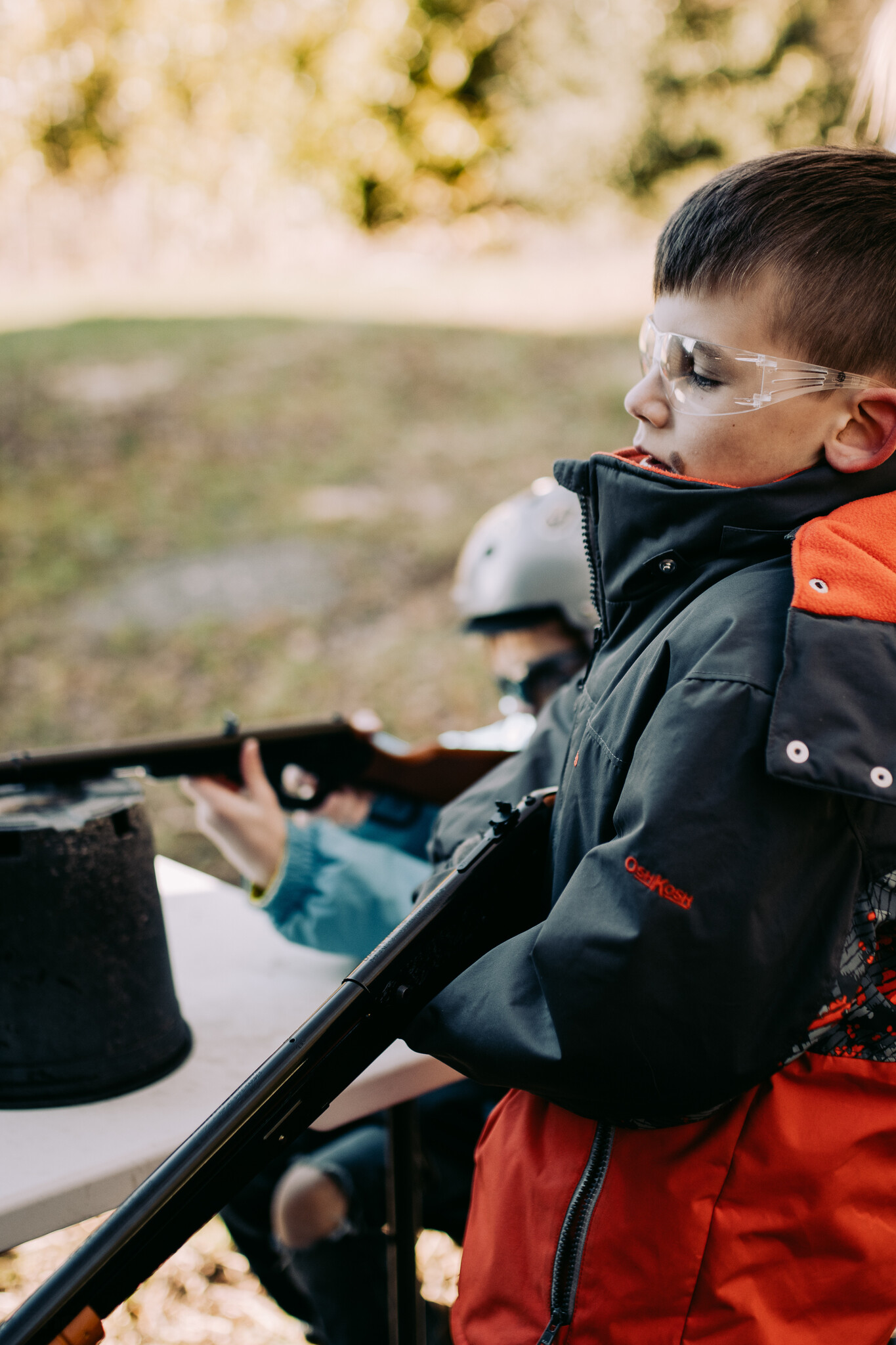
Safety First: A Novice’s Handbook on Firearm Safety, Tips, and Best Practices
Firearm safety is an essential aspect of responsible gun ownership. Whether you're a seasoned shooter or new to the world of firearms, understanding and adhering to safety protocols is crucial to prevent accidents and ensure a secure environment. This handbook serves as a comprehensive guide for novices, providing insights into the core principles of firearm safety, maintenance, ammunition knowledge, range etiquette, and legal responsibilities. It aims to equip readers with the necessary information to handle, store, and use firearms safely and responsibly.
Key Takeaways
-
Understanding the four fundamental safety rules is the foundation of responsible firearm handling and prevents most gun-related accidents.
-
Routine maintenance, including cleaning and inspection, is vital for the reliability and safety of any firearm, and knowing when to seek professional gunsmithing is key.
-
Ammunition should be stored and handled with care, with an emphasis on differentiating types and practicing safe loading and unloading techniques.
-
Knowledge of shooting range protocols, including range commands, signals, and proper use of personal protective equipment, is essential for safety.
-
Firearm ownership comes with legal responsibilities and ethical considerations, making education, training, and awareness of legislation paramount.
Understanding Firearm Safety: Core Principles and Practices
The Four Fundamental Safety Rules
Adhering to the four fundamental safety rules is crucial for anyone handling firearms. These rules form the bedrock of firearm safety and are universally recognized across various shooting disciplines.
-
Treat Every Firearm as if It Is Loaded: This precaution ensures that one always exercises caution, regardless of a firearm's actual status.
-
Always Keep the Muzzle Pointed in a Safe Direction: This rule is vital to prevent accidental harm should the firearm discharge.
-
Be Sure of Your Target and What Is Beyond: Before pulling the trigger, it is essential to be aware of the target and its surroundings to avoid unintended consequences.
-
Keep Your Finger Off the Trigger Until Ready to Shoot: This practice prevents premature firing and allows the shooter to make conscious decisions.
By internalizing and consistently applying these safety rules, individuals can significantly reduce the risk of firearm accidents. It is the responsibility of every gun owner and user to maintain these standards at all times.
Safe Handling and Operation of Firearms
The safe handling and operation of firearms are critical to preventing accidents and ensuring the safety of both the user and those around them. Always treat every firearm as if it is loaded, even if you believe it to be unloaded. This mindset instills a constant sense of caution and respect for the potential danger of firearms. It is essential to keep the muzzle pointed in a safe direction at all times, which is a direction where a negligent discharge would cause minimal harm.
Before handling any firearm, familiarize yourself with its operation. This includes understanding how to safely open and close the action, check for ammunition, and engage and disengage any safety mechanisms. Firearms owners and users should always assume that anyone untrained in the safe handling and use of firearms does not know how to handle firearms safely. As such, it is the responsibility of the owner to ensure that their firearms are not accessible to untrained individuals.
When at a shooting range or in a field setting, communication is key. Clearly announce your actions and intentions, such as when you are about to fire or when you are checking your firearm. This helps to maintain a safe environment for everyone involved.
Lastly, always use the correct ammunition for your firearm. Using improper or incorrect ammunition can lead to dangerous malfunctions. Refer to the firearm's manual or consult with a professional if you are unsure about the compatibility of ammunition.
Storage Solutions to Prevent Unauthorized Access
Ensuring that firearms are inaccessible to unauthorized individuals is a critical aspect of gun ownership. Proper storage solutions are not only a legal requirement in many jurisdictions but also a moral obligation to prevent accidents and misuse. There are various secure storage options available to gun owners, each with its own set of features designed to provide different levels of security and accessibility.
-
Trigger locks prevent the gun from being fired by blocking the trigger mechanism.
-
Cable locks can secure the firearm to an immovable object or prevent the action from closing.
-
Gun safes offer the highest level of security with options for biometric, combination, or key access.
-
Locking gun cabinets provide a balance between accessibility and security, suitable for those who may need quicker access to their firearms.
-
Gun cases with integrated locks offer portability for those transporting firearms.
It is essential to assess the specific needs and circumstances of your firearm storage to choose the most appropriate solution. Factors such as the number of firearms, types of firearms, and the presence of children in the home will influence the decision.
The choice of a storage solution should also consider the potential risks of theft, fire, and water damage. Some storage options come with ratings that indicate their resistance to these elements. By prioritizing safety and security, gun owners can significantly reduce the risk of firearm-related injuries and deaths.
Firearm Maintenance: Ensuring Reliability and Safety
Routine Cleaning and Inspection
Regular maintenance of firearms is essential to ensure their safe and reliable operation. Routine cleaning and inspection are critical components of firearm upkeep. Over time, residue from gunpowder, as well as environmental contaminants, can accumulate within the firearm's mechanisms, potentially leading to malfunctions or decreased accuracy.
To conduct a proper inspection, it is advisable to disassemble the firearm according to the manufacturer's instructions. This allows for a thorough cleaning and the opportunity to inspect individual components for signs of wear or damage. Instead, utilize a rigid borescope inspection camera to check for cracks, flaws, or buildup of residue. This tool is commonly used by gun manufacturers and provides a detailed view of the firearm's interior.
Note: Always ensure that the firearm is unloaded before beginning any maintenance procedures. Additionally, use the appropriate cleaning solvents and tools designed for firearms to avoid damaging sensitive parts.
After cleaning and inspection, reassemble the firearm and perform a function check to confirm that all components are working correctly. Regular maintenance not only prolongs the life of the firearm but also reinforces the owner's familiarity with its operation, contributing to overall safety.
Identifying and Addressing Common Firearm Malfunctions
Firearm malfunctions can range from minor inconveniences to critical safety hazards. Identifying and addressing these issues promptly is essential for maintaining both safety and firearm functionality. Common malfunctions include misfires, hangfires, and squib loads, each requiring specific steps to resolve safely.
-
Misfires occur when the trigger is pulled, but the round fails to fire. This can be due to a faulty firing pin or a dud primer.
-
Hangfires are delayed discharges, where there is a noticeable delay between the trigger pull and the round firing. This can be dangerous as it may lead to premature weapon handling.
-
Squib loads are partial discharges where the bullet does not have enough force to exit the barrel, creating a blockage that can cause serious damage if another round is fired.
To safely address these malfunctions, always keep the firearm pointed in a safe direction, wait for a period to ensure it is not a hangfire, and if safe to do so, carefully remove the magazine and eject the chambered round. If a squib load is suspected, do not attempt to fire another round; instead, disassemble the firearm and remove the obstruction with appropriate tools. Regular maintenance and inspection can help prevent malfunctions, but when they do occur, handling them with caution is paramount.
It is crucial to remember that attempting to clear a malfunction without proper knowledge can result in injury or further damage to the firearm. Always consult the firearm's manual or a professional gunsmith if you are unsure of the correct procedure.
The Role of Professional Gunsmithing
Professional gunsmithing plays a pivotal role in ensuring the safety and reliability of firearms. Gunsmiths are expertsin the maintenance, repair, and customization of firearms, contributing to the overall safety of gun ownership. They possess the skills to diagnose and fix issues that may not be apparent to the average firearm owner, which is crucial for preventing malfunctions that could lead to accidents.
Gunsmiths also offer services that enhance the performance and longevity of firearms. These services range from basic cleaning and part replacements to more complex tasks such as adjusting triggers, fitting barrels, and restoring antique firearms. It is important for firearm owners to recognize when it's time to consult a professional gunsmith. Here are some instances when you should consider seeking their expertise:
-
When encountering persistent malfunctions or performance issues
-
For routine deep cleaning and inspection beyond basic field stripping
-
To ensure proper installation of aftermarket parts or upgrades
-
For restoration work on heirloom or antique firearms
-
To customize a firearm for a specific purpose or to improve ergonomics
By entrusting your firearm to a qualified gunsmith, you not only safeguard your investment but also contribute to the overall safety of the shooting community. Regular professional maintenance ensures that firearms function as intended and reduces the risk of accidents due to equipment failure.
Ammunition Knowledge: Types, Storage, and Handling
Differentiating Between Ammunition Types
Ammunition comes in various forms and calibers, each designed for specific firearms and purposes. Understanding the differences between ammunition types is crucial for safe and effective firearm use. For instance, handgun ammunition ranges from .22LR, commonly used for target practice, to more powerful calibers like .500 S&W for large game hunting. Rifle ammunition also varies widely, with options like the .17 FIREBALL for varmint hunting and the .300 WIN. MAG. for long-range shooting.
It is essential to match the ammunition to the firearm's caliber and intended use to ensure safety and optimal performance.
Below is a list of common ammunition types for handguns and rifles, as highlighted on a website page:
-
Handgun Ammunition:
-
.22LR
-
.357 MAG
-
.380 AUTO
-
.45 ACP
-
9MM (9x19)
-
-
Rifle Ammunition:
-
.223 REM.
-
.308 WIN.
-
5.56 NATO
-
6.5 CREEDMOOR
-
.300 WIN. MAG.
-
Each type of ammunition has its own characteristics and applications, from self-defense to competitive shooting and hunting. Always consult the firearm's manual and seek expert advice when selecting ammunition to ensure compatibility and safety.
Proper Ammunition Storage Practices
Ensuring the longevity and safety of ammunition requires adherence to proper storage practices. Ammunition should be stored in a cool, dry place, away from heat sources and moisture to prevent corrosion and deterioration. It is also crucial to keep ammunition separate from firearms and in a secure location to prevent unauthorized access, especially from children and untrained individuals.
-
Store ammunition in its original packaging or in containers designed for ammunition.
-
Use desiccants or humidity control solutions to maintain a dry environment.
-
Regularly inspect ammunition for signs of damage or corrosion.
-
Dispose of any damaged or questionable rounds safely and according to local regulations.
Ammunition's performance can be compromised by improper storage, leading to potential safety hazards when firing. By following these guidelines, shooters can help ensure that their ammunition remains reliable and safe for use.
Safe Loading and Unloading Techniques
The process of loading and unloading a firearm is a critical aspect of gun safety that requires meticulous attention to detail. Always point the firearm in a safe direction while performing these actions, even if you believe the gun is unloaded. Here are some steps to ensure safe loading and unloading:
-
Ensure the firearm is on 'safe' mode (if applicable) before handling.
-
Visually inspect the chamber, receiver, and magazine to confirm they are clear of ammunition.
-
Load ammunition appropriate for the firearm's caliber and type, as mismatched ammunition can lead to dangerous malfunctions.
-
After loading, if the firearm is not to be used immediately, engage the safety mechanism and store it securely.
-
When unloading, remove the magazine first, then eject any rounds from the chamber. Ensure the action is open and the firearm is completely unloaded before storage.
It is imperative to familiarize oneself with the specific loading and unloading procedures for each type of firearm, as they can vary significantly. For instance, the steps for a bolt-action rifle will differ from those of a semi-automatic handgun.
Remember, improper handling during loading and unloading can result in accidental discharge. Therefore, strict adherence to the manufacturer's instructions and safety protocols is essential.
Shooting Range Etiquette and Safety Protocols
Understanding Range Commands and Signals
At the heart of shooting range safety are the range commands and signals, which are essential for clear communication and accident prevention. All shooters must be attentive and responsive to these commands at all times. They typically include instructions such as 'Cease Fire,' 'Commence Firing,' and 'Range Going Hot.' It is crucial for novices to familiarize themselves with these terms before stepping onto the range.
Familiarity with range commands and signals is not just about compliance; it's about contributing to a safe environment for everyone involved.
Understanding these commands often requires active listening and sometimes visual cues. For example, a raised red flag usually indicates that the range is active and firing is in progress, while a green flag signifies a safe condition. Here is a basic list of common range commands you might encounter:
-
'Cease Fire': Stop shooting immediately and await further instructions.
-
'Commence Firing': Begin or resume shooting as directed.
-
'Range Going Hot': The range is about to become active; prepare to shoot.
-
'Range Cold': No firing is permitted; firearms should be unloaded and made safe.
Adherence to these commands ensures not only personal safety but also the safety of fellow shooters and range staff.
Personal Protective Equipment for Shooters
When engaging in shooting activities, personal protective equipment (PPE) is essential for ensuring the safety and well-being of participants. Proper PPE minimizes the risk of injury and enhances the overall shooting experience. The primary components of PPE for shooters include protective eyewear and hearing protection. These items are designed to shield the eyes from potential hazards such as ricocheting fragments and to protect the ears from the damaging effects of gunfire noise.
It is crucial for shooters to select PPE that meets industry standards and is comfortable for prolonged use. This ensures that safety is not compromised during shooting sessions.
In addition to the firearm(s) and ammunition, the range bag should also include the following PPE items:
-
Protective eyewear
-
Hearing protection, such as earplugs or earmuffs
-
Gloves for handling firearms and ammunition
-
Appropriate clothing to shield against ejected casings and other environmental factors
Best Practices for Safe Shooting Range Behavior
Adhering to best practices at the shooting range is essential for the safety of all participants. Always keep the firearm pointed in a safe direction, typically downrange, and be mindful of your muzzle's orientation even when the firearm is not being actively used. This ensures that any accidental discharge does not result in injury or property damage.
Communication and awareness are key components of range safety. Clearly understand and comply with all range commands, and never hesitate to ask for clarification if needed. It's also important to be aware of others' actions and to speak up if you observe unsafe behavior.
Here are some additional tips for maintaining a safe environment at the shooting range:
-
Wear appropriate personal protective equipment, including eye and ear protection.
-
Inspect your firearm and ammunition before use to ensure they are in good working order.
-
Follow the range's specific rules regarding the type of targets allowed and the proper disposal of used targets and casings.
-
Clean up your shooting area before leaving to maintain a tidy and hazard-free space for the next shooter.
Remember, safety is a shared responsibility. By following these guidelines, you contribute to a secure and enjoyable shooting experience for everyone.
Legal Considerations and Responsibilities of Firearm Ownership
Navigating Firearm Legislation and Ownership Requirements
Understanding the legal landscape of firearm ownership is crucial for any gun owner. Navigating the complex web of federal, state, and local laws is a responsibility that cannot be taken lightly. It is essential to be aware of the specific regulations that apply to the type of firearm you possess, whether it be a shotgun, rifle, or handgun. For instance, certain states have specific laws pertaining to the ownership of BB/Pellet/Slingshot, Airsoft, and Paintball firearms, each with their own set of rules.
A comprehensive approach to legal compliance involves staying informed about the various types of ammunition for handguns and rifles, as well as any restrictions on magazine capacities or the types of firearms that can be legally owned or carried. It is advisable to consult with legal experts or refer to official resources to ensure full compliance with all applicable laws.
The importance of legal knowledge in firearm ownership cannot be overstated. It is the bedrock upon which safe and responsible gun ownership is built.
Lastly, it is important to remember that laws can change, and staying up-to-date with current legislation is a continuous process. Gun owners should regularly check for updates and understand that ignorance of the law is not a defense in the eyes of the court.
The Importance of Firearm Education and Training
The cornerstone of responsible firearm ownership is a solid foundation in firearm education and training. Proper training ensures that gun owners are not only proficient in the use of their firearms but also deeply understand the ethical and legal implications of firearm use. Education and training programs are designed to instill a culture of safety and respect for the power that firearms possess.
Firearm education encompasses a wide range of topics, including but not limited to, the mechanics of firearms, safe handling practices, legal responsibilities, and the fundamentals of marksmanship. Training, on the other hand, provides hands-on experience and the opportunity to practice these principles under the guidance of certified instructors. Together, education and training create a well-rounded firearm owner who is equipped to handle their weapon safely and responsibly.
It is essential for firearm owners to continually update their knowledge and skills, as complacency can lead to accidents. Regular participation in training sessions can help reinforce safe practices and keep gun owners abreast of new developments in firearm technology and legislation.
The benefits of comprehensive firearm education and training are clear and measurable. Studies have shown that gun-related accidents can be significantly reduced when owners are properly educated and trained. By promoting a culture of continuous learning and improvement, we can ensure that firearms are used safely and responsibly, thus protecting both the gun owners and the community at large.
Liability and Ethical Considerations in Firearm Use
Firearm ownership carries with it a significant responsibility, not only in terms of legal compliance but also in ethical considerations. Owners must be cognizant of the potential consequences of firearm use and misuse. This includes understanding the legal ramifications of negligent or criminal actions with a firearm, as well as the moral implications of using a weapon that has the potential to cause serious harm.
Firearm owners should be well-versed in the laws that govern the use, carry, and storage of firearms. They must also be prepared to face legal liability should their actions, or lack thereof, lead to injury or property damage. Ethical considerations extend to the respect for life and the judicious use of force. Responsible gun owners practice restraint and discernment, recognizing that every action taken with a firearm is subject to scrutiny and must be justifiable.
The principle of liability extends beyond the legal framework, encompassing the ethical duty to prevent harm. This includes securing firearms from unauthorized access, particularly by children or individuals who may pose a risk to themselves or others.
To illustrate the importance of secure storage, consider the following table which categorizes various firearms and ammunition types, reflecting the diversity of items that must be responsibly managed:
|
Category |
Examples |
|---|---|
|
Firearms |
Shotgun, Rifle, BB/Pellet/Slingshot, Airsoft, Paintball |
|
Ammunition |
Handgun (.357 MAG, 9MM), Rifle (.223 REM, 5.56 NATO) |
Ultimately, firearm ownership is not just a right, but a privilege that comes with the duty to act responsibly, ensuring the safety of oneself and the community at large.
Owning a firearm comes with significant legal considerations and responsibilities. It's essential to understand the laws that govern firearm ownership, storage, and use to ensure you're in compliance and to maintain the safety of yourself and those around you. For comprehensive information and guidance on firearm ownership, visit our website at Siwash Sports. We provide valuable insights and resources to help you navigate the complexities of gun laws and responsible ownership. Stay informed and up-to-date with the latest regulations by checking out our articles and resources. Click here to learn more and become a responsible firearm owner today.
Conclusion
In conclusion, the importance of firearm safety cannot be overstated. Whether you are a novice or an experienced gun owner, adhering to safety protocols is paramount to preventing accidents and ensuring a secure environment for all. This handbook has provided essential tips and best practices that should be ingrained in every firearm user's routine. From the proper handling and storage of firearms to the importance of regular maintenance and the use of safety gear, these guidelines serve as a foundation for responsible gun ownership. It is the duty of every individual who chooses to exercise their right to bear arms to do so with the utmost respect for the power they wield. Safety is not just a personal responsibility but a collective one, where each action contributes to the well-being of our communities. Let us commit to continuous learning and vigilance in our pursuit of firearm safety.
Frequently Asked Questions
What are the four fundamental safety rules for handling firearms?
The four fundamental safety rules are: (1) Treat all guns as if they are loaded, (2) Never point a firearm at anything you are not willing to destroy, (3) Keep your finger off the trigger until you are ready to shoot, and (4) Be sure of your target and what is beyond it.
How often should I clean and inspect my firearm to ensure safety?
You should clean and inspect your firearm after each use and periodically during storage. Regular maintenance is crucial for the reliability and safety of your firearm.
What are some safe storage solutions to prevent unauthorized access to firearms?
Safe storage solutions include using gun safes, lock boxes, trigger locks, and cable locks. It's important to store firearms unloaded and separate from ammunition.
Is it necessary to differentiate between ammunition types, and why?
Yes, it is necessary to differentiate between ammunition types to ensure compatibility with your firearm and to prevent accidents. Using the wrong ammunition can cause damage to the firearm and injury to the shooter.
What personal protective equipment should I use at a shooting range?
At a shooting range, you should use ear protection to guard against hearing damage and safety glasses to protect your eyes from debris and ricochets.
What are my legal responsibilities as a firearm owner?
As a firearm owner, you are responsible for knowing and complying with all local, state, and federal laws regarding firearm ownership, storage, carrying, and use. You must also ensure that your firearms are not accessible to unauthorized persons, especially children.


