

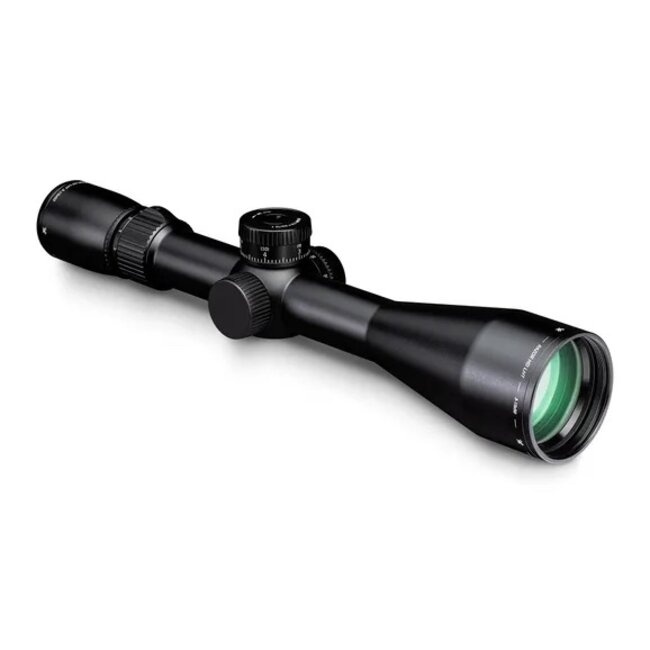
Selecting the Perfect Scope for Precision Shooting
Selecting the perfect scope for precision shooting is crucial for achieving the accuracy and clarity needed for long-range targets. Understanding the technical specifications, proper mounting techniques, zeroing processes, accessorizing options, and maintenance practices can significantly enhance your shooting experience. This article provides a comprehensive guide to help you choose and maintain the right scope for your precision shooting needs, whether you're a seasoned marksman or a beginner.
Key Takeaways
-
Understanding scope specifications, such as magnification power and objective lens diameter, is essential for selecting a scope that suits your shooting requirements.
-
Proper mounting of your scope, including choosing the right mounts and ensuring accurate alignment, is vital for the reliability and precision of your firearm.
-
Zeroing your scope with an understanding of MOA and Mil-Dot adjustments allows for accurate shots at various distances and under different conditions.
-
Accessorizing your scope with items like sunshades, lens covers, and anti-cant devices can protect your investment and improve your shooting experience.
-
Regular maintenance, including cleaning, proper storage, and troubleshooting, is necessary to preserve the longevity and performance of your scope.
Understanding Scope Specs: What Do All Those Numbers Mean?
Magnification Power: Zooming in on the Details
When it comes to precision shooting, the magnification power of your scope is a critical factor. It determines how close you can zoom in on your target without physically moving. Scopes are typically described by two numbers, like 4x32 or 6-24x50. The first number or range of numbers indicates the magnification power. A 4x scope makes the target appear four times closer than with the naked eye, while a variable scope like 6-24x can adjust between making the target appear six to twenty-four times closer.
For precision shooting at longer ranges, opt for a higher magnification scope, such as 6-24x or 8-32x, to ensure accurate target placement. On the flip side, if you're engaging in close-quarters shooting, a lower magnification or even a 1x red dot sight might be more appropriate. Here's a quick rundown of common magnification ranges and their typical uses:
-
1-4x: Close to medium range; quick target acquisition
-
5-8x: Medium range; versatile for various shooting scenarios
-
9-12x: Medium to long range; balances field of view with detail
-
13-20x+: Long range; ideal for detailed target identification at distance
Remember, higher magnification scopes can be heavier and may require a more stable shooting platform. It's all about finding the right balance for your specific needs.
Choosing the right magnification is essential for precision shooting. It's a balance between the level of detail you need and the field of view you prefer. Always consider the type of shooting you'll be doing and the typical distances involved.
Objective Lens Diameter: The Key to Brightness and Clarity
When you're peering through a scope, the objective lens is your window to the world. The larger the objective lens, the more light it can gather, making your image brighter and clearer, especially in low-light conditions. But it's not just about size; the quality of the glass and coatings also play a crucial role in the clarity of your view.
Here's a quick breakdown of common objective lens diameters (in millimeters) and their typical applications:
-
20-30mm: Ideal for lightweight, compact scopes used in bright conditions.
-
30-40mm: A good balance for general hunting and shooting, offering improved light transmission.
-
40-50mm and above: Best for low-light situations, like dawn and dusk, but can add significant weight to your setup.
Remember, a larger lens will require higher mounting, which can affect your shooting position and cheek weld. It's all about finding the right balance for your needs and the typical environments you'll be shooting in.
While a bigger objective lens does wonders for brightness and clarity, don't forget that it should match your firearm's capabilities and the scenarios you anticipate encountering. Overdoing it can lead to unnecessary bulk and discomfort.
Tube Size: Finding the Right Fit for Your Firearm
When it comes to precision shooting, the tube size of your scope is more than just a number; it's the backbone that supports your entire sighting system. Choosing the right tube diameter is crucial for mounting, compatibility, and even the range of adjustment you'll have for windage and elevation.
The most common scope tube sizes are 1 inch (25.4mm), 30mm, and 34mm. The 1-inch tube size is mainly used for average hunting rifle scopes, while 30mm and 34mm tubes offer a wider adjustment range, which can be essential for long-range shooting. Here's a quick breakdown:
|
Tube Size |
Common Use |
|---|---|
|
1 inch |
Hunting scopes |
|
30mm |
Long-range shooting |
|
34mm |
Advanced long-range shooting |
Remember, a larger tube diameter can allow for more light to pass through, enhancing visibility in low-light conditions. However, it also means you'll need compatible mounts and rings, which may be bulkier and heavier.
Always measure the diameter of your rifle's mounting area and consider the scope's weight and profile before making a decision. It's not just about the size; it's about the perfect balance for your specific needs and shooting style.
Reticle Types: Crosshairs, Dots, and BDCs Explained
Once you've got a handle on magnification and objective lens size, it's time to talk about what you'll actually be looking at through your scope: the reticle. Reticles are the aiming points or patterns you see when you look down the scope, and they come in several flavors, each with its own advantages.
-
Crosshairs are the classic design, offering a simple and clear point of aim.
-
Dots provide a minimalistic approach, often used for quick target acquisition.
-
BDC (Bullet Drop Compensator) reticles allow shooters to estimate holdover for long-range shots without manual adjustments.
Choosing the right reticle type is crucial for precision shooting. It's not just about personal preference; it's about what works best for the shooting you'll be doing. Whether you're lining up for a long-range competition or hunting in varied terrain, the reticle can make all the difference.
Remember, a reticle that's too busy can clutter your view, while one that's too simple might not offer enough information for precise shots. Balance is key.
When browsing scopes, you might come across a website page featuring Burris optics and accessories. It's important to note that purchasing such items often requires a valid PAL (Possession and Acquisition License), and shipping options may be limited. Always check with customer service for any inquiries regarding your scope purchase.
Focal Planes: First vs. Second - Which One's for You?
When it comes to precision shooting, the choice between a first focal plane (FFP) and second focal plane (SFP) scope can be pivotal. FFP scopes feature a reticle that scales in size with magnification, ensuring reticle subtensions remain constant relative to the target. This is ideal for shooters who need to make rapid holdover or windage adjustments at varying magnifications.
In contrast, SFP scopes maintain a constant reticle size regardless of magnification. This can be beneficial for those who prefer a clear, unchanging reticle for precise shots at known distances. However, it means that any reticle-based measurements are only accurate at one specific magnification setting.
Choosing between FFP and SFP scopes is not just about personal preference; it's about matching your scope to your shooting style and the conditions you'll face.
Here's a quick rundown to help you decide:
-
FFP scopes are great for dynamic shooting situations where distance to the target changes frequently.
-
SFP scopes excel in static shooting scenarios where the shooter has time to adjust the magnification for precise measurements.
Remember, the right choice will depend on your specific needs and the type of shooting you do most often.
Mounting Your Scope: A Step-by-Step Guide
Choosing the Right Mounts and Rings
Selecting the right mounts and rings is crucial for a stable and accurate shooting setup. Compatibility with your firearm and scope is the first thing to consider. You'll need to match the mount to your firearm's specific rail type, whether it's a Picatinny, Weaver, or something else. Then, ensure the rings are the right size for your scope's tube diameter, typically either 1 inch or 30mm.
Here's a quick checklist to help you out:
-
Match the mount to your firearm's rail type.
-
Choose rings that fit your scope's tube size.
-
Consider the height of the rings based on your scope's objective lens diameter.
-
Check for quality construction materials like aircraft-grade aluminum.
-
Opt for a design that allows for easy attachment and detachment, if that's important to you.
Remember, the goal is to achieve a secure fit without over-tightening, which can damage your scope. A good rule of thumb is to hand-tighten until snug and then give it a final quarter-turn with a wrench.
Lastly, don't forget to take into account the scope's objective lens size. Larger lenses might require higher rings to clear the barrel. For example, all Tier One scope mounts in Medium height are designed to work with a 56mm objective on a hunting rifle. Measure the scope objective's diameter to ensure you select the correct height for your rings to avoid any sighting issues.
Proper Alignment: Ensuring Accuracy
Getting your scope properly aligned is crucial for precision shooting. A misaligned scope can lead to frustrating days at the range, and worse, missed shots in the field. Here's a quick rundown on how to get it right:
-
Start by ensuring your rifle is securely mounted and won't move.
-
Place the scope in the rings and lightly tighten them so you can still adjust the scope's position.
-
Look through the scope and adjust it until you see a full field of view.
-
Align the reticle so it's perfectly horizontal and vertical to your eye.
-
Once satisfied, tighten the rings according to the manufacturer's torque specifications.
Remember, the goal is to have the reticle aligned with your rifle's barrel axis. Any deviation can throw off your shot, no matter how slight.
After you've got the scope mounted and aligned, it's time to test fire at a range. Make small adjustments as needed, and always keep your firearm's cartridges and other gear in mind - they can affect your shooting accuracy just as much as your scope's alignment.
Securing the Scope: Torque Specs and Tips
Alright, sharpshooters, let's talk about locking down your scope with the precision of a benchrest shooter. Getting the torque right on your scope's mounting screws is crucial; too tight and you risk damaging your scope or rifle, too loose and you'll be off target faster than you can say 'flyer'.
Here's a quick rundown on how to secure your scope:
-
Start by lightly oiling the screws to prevent rusting and ensure smooth installation.
-
Align the scope with your rifle's bore and eye relief preferences.
-
Hand-tighten the screws to keep everything in place.
-
Use a torque wrench to apply the manufacturer's recommended torque settings. This is where you need to pay attention to the details. Each scope and mount combo will have its own specs, so always check the manual.
Remember, consistency is key. The same amount of torque should be applied to each screw to maintain even pressure and keep your scope true.
If you're unsure about the torque specs for your particular setup, here's a pro tip: reach out to the manufacturer or check out forums and articles like 'How to Use a Rifle Scope | Tacticon Armament' for guidance. And always, always double-check your work. A little diligence goes a long way in precision shooting.
Boresighting: The Preliminary Step Before Zeroing
Before you start dialing in your scope for that perfect shot, boresighting is the essential first step. It's a method to align your firearm's bore (the barrel) with the scope, ensuring that your initial shots are on paper and saving you time and ammo at the range.
Here's a quick rundown on how to boresight your rifle:
-
Secure your rifle in a steady rest or vise.
-
Remove the bolt if you have a bolt-action rifle, or use a laser boresighter for other types.
-
Look through the bore and center it on a target at a short distance (25-50 yards).
-
Without moving the rifle, adjust the scope's reticle to align with the target.
-
Reassemble your rifle and prepare for live-fire zeroing.
Remember, boresighting isn't a replacement for shooting your rifle to zero it, but it'll get you on target faster when you start fine-tuning your shots.
Once you've boresighted, you're ready to proceed to the range for the actual zeroing process. This is where you'll make precise adjustments for windage and elevation, ensuring your scope's reticle and the rifle's point of impact are in perfect harmony.
Dialing It In: Zeroing Your Scope for Precision
Understanding MOA and Mil-Dot Adjustments
Getting your scope dialed in is crucial for precision shooting, and that's where understanding MOA (Minute of Angle) and Mil-Dot adjustments come into play. MOA is a measurement that helps shooters gauge shot accuracy over distance. One MOA is approximately one inch per 100 yards, meaning at 300 yards, one MOA equals about three inches. Mil-Dots, on the other hand, are a type of reticle with dots spaced in milliradian increments, which shooters use for range estimation and bullet drop compensation.
Here's a quick rundown on how to adjust your scope using these measurements:
-
Estimate the distance to your target.
-
Calculate the bullet drop or wind drift in MOA or mils.
-
Dial in the adjustments on your scope, using the turrets to compensate for the calculated bullet drop or windage.
Remember, consistent practice and familiarity with your specific firearm and ammunition will improve your precision over time. It's not just about the numbers; it's about getting a feel for how your equipment behaves under various conditions.
Whether you're a competitive shooter, a hunter, or engaged in tactical operations, having a scope that's properly zeroed is non-negotiable. Siwash Sports offers EOTech's advanced optics and sights, renowned for speed and accuracy, to enhance your performance.
Finding the Perfect Zero Distance for Your Needs
Zeroing your scope is a critical step in precision shooting, and finding the perfect zero distance is key to accuracy. The ideal zero distance varies depending on the type of shooting you're doing and the typical range of your targets.For hunters, a common zero distance might be 100 yards, as it provides a good balance for shots at varying ranges. However, for long-range target shooters, zeroing at 200 yards or more might be preferable to account for bullet drop over greater distances.
When zeroing your scope, remember that consistency is king. The same shooting position, environmental conditions, and even the same lot of ammunition can affect your zero.
Here's a quick rundown of common zero distances for various shooting disciplines:
-
Hunting: 100-200 yards
-
Target Shooting: 200-300 yards
-
Tactical Shooting: 25-100 yards
Adjusting your zero distance can also compensate for factors like bullet trajectory and windage. It's a process of trial and error, but once dialed in, it will enhance your shooting precision immensely.
The Importance of a Consistent Shooting Position
When it comes to precision shooting, consistency is king. A stable and consistent shooting position ensures that each shot is as accurate as the last, minimizing variables that can throw off your aim. It's not just about comfort; it's about repeatability. Here's a quick rundown on what to keep in mind:
-
Stance: Whether you're standing, sitting, or prone, your stance should be balanced and stable.
-
Grip: Hold your firearm in a way that's firm yet not tense, allowing for control without strain.
-
Support: Use bipods, bags, or rests to steady your firearm, especially for long-range shots.
-
Breathing: Learn to pause your breath at the right moment to minimize movement.
Remember, the goal is to create a shooting platform that's as immovable as possible. Every little movement can impact your shot, so lock it down!
Practicing these elements will help you find a shooting position that works best for you. And once you've found it, stick with it. Muscle memory is a sharpshooter's best friend, and the more you reinforce a consistent position, the more natural it will feel. So, grab your gear, including your favorite optics, and hit the range to perfect that stance!
Tracking and Compensating for Windage and Elevation
When it comes to precision shooting, understanding how to adjust for windage (horizontal) and elevation (vertical) is crucial. Each click of your scope's turrets moves the point of impact by a specific amount, typically measured in MOA (minutes of angle) or mils. Here's a quick reference for common adjustments:
|
Distance |
Windage (1 MOA) |
Elevation (1 MOA) |
|---|---|---|
|
100 yds |
1 inch |
1 inch |
|
200 yds |
2 inches |
2 inches |
|
300 yds |
3 inches |
3 inches |
Remember, environmental factors like wind speed and direction, temperature, and altitude can all affect bullet trajectory. It's essential to practice under different conditions to get a feel for how these factors impact your shooting.
Compensating for these variables requires both knowledge and experience. Start by zeroing your scope at a known distance, then practice shooting at varying distances and in different weather conditions. Keep a logbook of your adjustments and outcomes to refine your technique over time. And don't forget, having the right gear, including optics, can make all the difference in achieving that perfect shot.
Accessorize Your Scope: Enhancing Your Shooting Experience
Sunshades and Lens Covers: Protecting Your Optics
When it comes to precision shooting, protecting your scope's lenses from the elements is crucial. Sunshades and lens covers are essential accessories for any shooter looking to maintain their scope's clarity and longevity. Sunshades help reduce glare and lens flare, providing a clearer view of your target, while lens covers shield your optics from dust, moisture, and scratches when not in use.
Here's a quick rundown on why you should consider these accessories:
-
Sunshades: Minimize glare and improve visibility in bright conditions.
-
Lens Covers: Protect against scratches, dust, and moisture.
Remember, a well-protected scope ensures a clear shot every time.
For those on a budget, Butler Creek offers a variety of scope covers at affordable prices. And if you're looking to shop online, Siwash Sports is Canada's top online retailer for firearms, ammunition, optics, and more, providing a wide selection of accessories to suit your needs.
Bubble Levels and Anti-Cant Devices: Keeping It Straight
When precision is key, even the slightest tilt can throw off your shot. That's where bubble levels and anti-cant devicescome into play. These nifty gadgets ensure your rifle is perfectly level before you take the shot, eliminating any pesky canting errors that could affect your bullet's trajectory.
A well-mounted bubble level is a simple yet effective tool for maintaining the vertical alignment of your scope and rifle. It's especially useful when shooting at long ranges, where accuracy is paramount.
Here's a quick rundown on why you should consider adding one to your setup:
-
Consistency: Keeping your rifle level is crucial for repeatable accuracy.
-
Confidence: Knowing your rifle is perfectly aligned gives you peace of mind.
-
Correction: Easy to check and adjust, even in the field.
One particular model that shooters find reliable is the Vortex Optics Riflescope Bubble Level for 30-mm tubes. It's praised for its simplicity and durability, with no moving parts to fuss over or cause accuracy problems. These levels mount directly onto your scope, sitting snugly without the need for extra setup time.
Aftermarket Turrets and Caps: Customizing for Convenience
Aftermarket turrets and caps can be a game-changer for precision shooters looking to dial in their shots with ease. Custom Dial System (CDS) turrets from brands like Leupold allow you to adjust your scope's elevation dial to your specific ammunition and environmental conditions, leading to unparalleled accuracy. Imagine turning your dial to the exact yardage, compensating for bullet drop without any guesswork involved.
Here's a quick rundown of what you can expect from a CDS:
-
Tailored to your ammunition and rifle
-
Compensates for bullet drop
-
Easy to read and adjust
With a custom turret, you're not just making do with factory settings; you're optimizing your scope for your unique shooting scenario.
Remember, not all scopes can accommodate these upgrades, so check compatibility before you invest. And once you've got your custom turrets installed, take the time to practice with them. The more familiar you are with the adjustments, the more precise your shooting will become.
Scope Coats and Camo Wraps: Personalizing Your Gear
After you've got your scope mounted and zeroed, it's time to add a personal touch and some practical accessories. Scope coats and camo wraps not only protect your scope from the elements but also help you blend into your environment. A popular choice among shooters is the GunSkins Scope Skin Camouflage Kit, which is a DIY vinyl wrap that's easy to apply and compatible with various firearms.
Personalizing your gear isn't just about aesthetics; it's about creating a setup that feels like an extension of yourself. With the right camo pattern, your scope can become nearly invisible to your prey, giving you the edge you need for that perfect shot.
Here's a quick rundown of what to consider when selecting a scope coat or wrap:
-
Material durability and weather resistance
-
Ease of application and removal
-
Compatibility with your specific scope model
-
Camouflage effectiveness in your typical hunting environments
Remember, while personalization is great, functionality should always be your top priority.
Maintaining Your Scope: Tips for Longevity and Performance
Cleaning and Care: Keeping Your Optics Spotless
Keeping your scope clean is not just about aesthetics; it's about maintaining the accuracy and longevity of your precision instrument. Dust, fingerprints, and the elements can all degrade your scope's performance over time. Here's a simple routine to keep your optics in top shape:
-
First, use a lens brush or a can of compressed air to gently remove any loose dust or debris.
-
Next, apply a small amount of lens cleaner to a microfiber cloth or a pre-moistened lens wipe to clean the glass surfaces.
-
Finally, inspect the body of the scope for any dirt or grime and wipe it down with a slightly damp cloth, followed by a dry one to prevent any corrosion.
Remember, always cap your lenses when not in use to prevent unnecessary exposure to the elements.
Regular maintenance not only preserves the clarity of your scope but also ensures that you're always ready for that critical shot. Whether you're out in the field or at the range, a clear view is a key to precision shooting. And when it comes to cleaning supplies, make sure you're stocked up with the essentials to avoid any disruptions to your shooting experience.
Storage Solutions: Protecting Your Scope Off the Field
When you're not lining up the perfect shot, storing your scope correctly is crucial for maintaining its precision and longevity. A well-chosen storage solution shields your scope from the elements and keeps it ready for your next outing. Consider these options for optimal off-field care:
-
Rifle Scope Covers: As Samuel Smith suggests, a good cover should be easy to use and offer a secure attachment method like Velcro or a zipper.
-
Hard Cases: These provide the most protection against impacts and environmental factors. Look for cases with foam inserts that can be customized to snugly fit your scope.
-
Soft Cases: For lighter protection, a padded soft case can be a convenient choice. They're typically easier to carry and can offer quick access when you're on the move.
-
Gun Safes: If you're storing multiple scopes or firearms, a gun safe can be an excellent investment to protect your entire collection from theft or damage.
Remember, the key to effective storage is to prevent moisture buildup and protect the delicate optics from any potential harm.
By investing in the right storage solution, you're not only protecting your scope but also ensuring that it remains a reliable tool for precision shooting for years to come.
Troubleshooting Common Issues
When your scope isn't behaving as expected, it's time to play detective. Common issues can often be traced back to a few usual suspects. Let's break down some typical problems and their potential fixes:
-
Barrel wear or damage: Check for signs of wear or damage that could affect accuracy.
-
Loose or misaligned sights/optics: Ensure everything is tightened and aligned correctly.
-
Improper shooting technique: Review and practice proper shooting fundamentals.
Regular inspection and cleaning of your firearm and scope can prevent many issues before they start.
Remember, troubleshooting is a process of elimination. Start with the simplest solutions and work your way up to the more complex ones. If you're still having trouble after going through these steps, it might be time to consult a professional gunsmith.
When to Service or Upgrade Your Scope
Knowing when to service or upgrade your scope is crucial for maintaining precision in your shooting. If you're experiencing issues with clarity, reticle alignment, or if the scope isn't holding zero, it might be time for a check-up. Regular maintenance can prevent these problems, but sometimes, an upgrade is the best course of action.
Upgrading your scope can be a game-changer, especially if you're looking to enhance your long-range shooting capabilities. With advancements in optics technology, newer models offer improved features like quality reticles and turrets that can significantly impact your shooting experience.
Consider the following points to determine if it's time for a service or upgrade:
-
Your scope is no longer providing a clear image.
-
The reticle has become misaligned or doesn't hold zero.
-
You've changed your shooting style or the type of shooting you're doing.
-
There's physical damage to the scope from wear and tear or an accident.
-
Technological advancements have introduced features that could benefit your shooting needs.
Remember, a well-maintained scope can last many years, but don't hesitate to upgrade if it means better performance and a more enjoyable shooting experience.
To ensure your scope remains in top condition, providing you with the best performance and longevity, it's crucial to follow proper maintenance routines. From regular cleaning to correct storage, every step counts towards preserving the precision of your equipment. For a comprehensive guide on keeping your scope at its peak, visit our website and discover expert tips that will help you maintain your gear like a pro. Don't let wear and tear compromise your shooting experience—take action now and give your scope the care it deserves.
Wrapping It Up: The Quest for Precision
As we've journeyed through the ins and outs of selecting the perfect scope for precision shooting, remember that the ultimate choice hinges on your specific needs, the type of shooting you'll be doing, and the firearm you'll be pairing it with. Whether you're dialing in on a .450/.400 NE for a big game hunt or zeroing a 5.56 NATO for competitive shooting, the right scope can make all the difference. Take your time, do your research, and don't be afraid to ask for advice from seasoned shooters. With the right scope atop your trusted rifle, you'll be set to hit the bullseye with confidence and precision. Happy shooting!
Frequently Asked Questions
What do the numbers on a rifle scope mean?
The numbers on a rifle scope typically refer to its magnification power and the diameter of the objective lens. For example, a '4x32' scope has a fixed magnification of 4 times larger than the naked eye and an objective lens diameter of 32mm.
How do I choose the right scope for my rifle?
Choosing the right scope depends on your intended use. Consider the magnification needed for your shooting distance, the size and clarity of the objective lens for visibility, reticle type for your aiming preference, and the tube size that fits your rifle's mounting system.
What is the difference between first focal plane (FFP) and second focal plane (SFP) scopes?
In FFP scopes, the reticle size changes with the magnification, which keeps the subtensions accurate at all magnifications. In SFP scopes, the reticle size stays the same, which means subtensions are only accurate at one magnification level.
How do I properly mount a scope on my rifle?
To mount a scope, you'll need compatible mounts and rings. Ensure the scope is properly aligned with your rifle's bore, secure it with the correct torque, and then perform a preliminary boresight before zeroing the scope at the range.
How do I zero my scope?
To zero your scope, set up a target at the desired zero distance, fire a group of shots, and adjust the scope's windage and elevation until the point of impact matches your point of aim. Repeat the process for fine-tuning.
What maintenance does my scope require?
Regular maintenance for your scope includes cleaning the lenses with appropriate optics cleaning supplies, ensuring all mountings are secure, and storing the scope in a protective case to prevent damage. Troubleshoot any issues and service or upgrade as necessary.


