

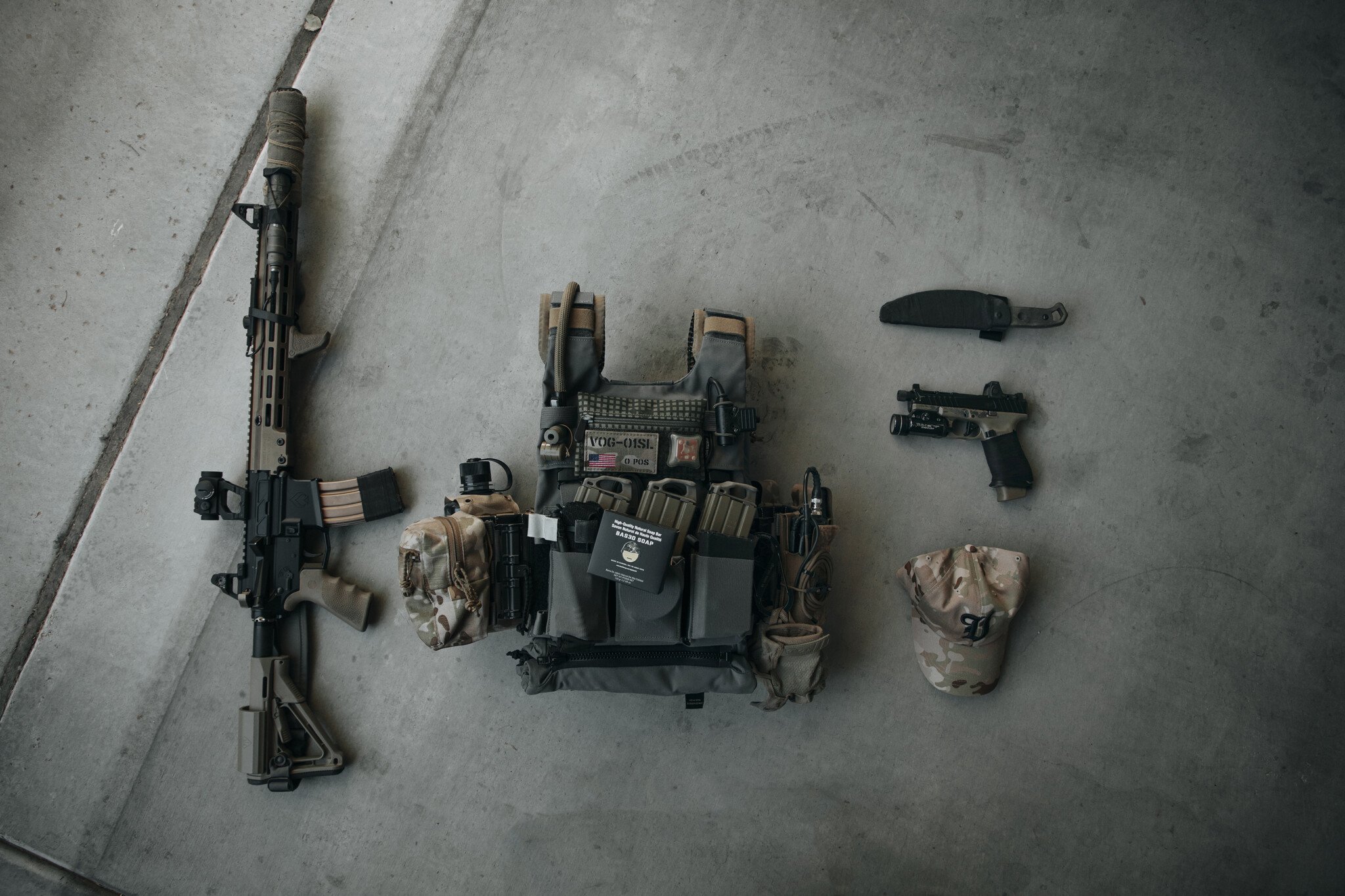
Tactical Transitions: Tracing the Journey of Tactical Gear from Battlefields to Everyday Life
The article 'Tactical Transitions: Tracing the Journey of Tactical Gear from Battlefields to Everyday Life' delves into the history, evolution, and cultural significance of tactical gear. Originally developed for military purposes, tactical gear has undergone significant changes, adapting to various needs and finding its way into civilian life. This exploration covers the gear's origins, technological advancements, integration into law enforcement and civilian markets, and its broader social impact.
Key Takeaways
-
Tactical gear has its roots in military operations but has evolved to serve both law enforcement and civilian purposes.
-
Technological and design advancements in tactical gear have been heavily influenced by global conflicts and the demands of modern warfare.
-
The commercialization of tactical gear has led to its adoption in fashion, media, and entertainment, influencing consumer trends and market dynamics.
-
Ongoing research and development in materials and manufacturing processes are shaping the future of tactical equipment.
-
The widespread distribution of tactical gear raises ethical questions and concerns about the militarization of civil society and the regulation of such equipment.
Historical Context and Evolution of Tactical Gear
Origins of Tactical Equipment in Military Operations
The inception of tactical equipment can be traced back to the needs of military operations where the demand for durability, functionality, and adaptability in gear was paramount. The evolution of tactical gear has been a response to the changing conditions of warfare and the continuous quest for soldier survivability and efficiency. Over time, this gear has undergone significant transformations, influenced by technological advancements and strategic military requirements.
The following list outlines key milestones in the development of tactical gear:
-
Introduction of standardized uniforms and equipment during the Napoleonic Wars.
-
Development of camouflage patterns and materials in World War I.
-
Innovation of lightweight and modular gear during World War II.
-
Incorporation of body armor and night vision technology in the Vietnam War.
-
Advancements in materials science leading to the creation of Kevlar and other ballistic-resistant fabrics.
The adaptation of tactical gear for various environments and the integration of cutting-edge technology have been instrumental in enhancing the capabilities of armed forces around the globe.
As tactical gear continues to evolve, it not only serves the needs of military personnel but also begins to find applications in law enforcement and civilian sectors, marking the beginning of a new chapter in its journey.
Design and Technological Advancements
The design and evolution of tactical gear have been significantly influenced by the demands of modern warfare and law enforcement operations. Innovations in materials and technology have led to the development of lighter, more durable, and versatile equipment, enhancing the effectiveness and safety of the users. The integration of modular systems allows for customization and rapid adaptation to various mission requirements.
The following table illustrates a selection of tactical gear items and their details, reflecting the diversity and specialization in the market:
|
Item ID |
Description |
Price |
Availability |
Brand |
Category |
|---|---|---|---|---|---|
|
210000010818 |
12GA 6-Position Flex Tactical Stock |
$849.99 |
Yes |
Mossberg |
Firearms |
|
210000010846 |
Sig Sauer Romeo3Max 1X30MM Optic |
$785.99 |
Yes |
Sig Sauer |
Optics |
|
210000010866 |
Streamlight ProTac Tactical Light |
$189.99 |
Yes |
Streamlight |
Flashlights |
|
210000010889 |
Carlson's Speed Wrench 12GA |
$34.99 |
Yes |
Carlson's |
Accessories |
The proliferation of tactical gear extends beyond the battlefield, with firearm accessories, optics, clothing, and hunting supplies becoming increasingly common in civilian markets. This trend underscores the importance of considering the implications of such gear in everyday life.
Global Conflicts and Their Influence on Tactical Gear Development
The profound technological advancements in the 20th and 21st centuries have significantly redefined the landscape of warfare, influencing tactics, strategies, and the development of tactical gear. Global conflicts have acted as catalysts for innovation, pushing the boundaries of what is possible in personal and group protection, surveillance, and weaponry.
The following list highlights key global conflicts and their contributions to the evolution of tactical gear:
-
World War I and II: Introduction of steel helmets and gas masks.
-
Vietnam War: Development of lightweight body armor and night vision devices.
-
Gulf Wars: Advancements in digital camouflage and body armor.
-
Ongoing Counterinsurgency Operations: Implementation of drones and improved communication devices.
Each conflict has brought about unique challenges that necessitated the creation of new tactical gear, which was later adapted for use beyond the military, in law enforcement and civilian contexts.
The continuous cycle of conflict and innovation ensures that tactical gear is always evolving, becoming more sophisticated and integrated with cutting-edge technology. This relentless pursuit of advancement underscores the importance of understanding the ethical implications of such gear in society.
Tactical Gear in Law Enforcement and Civilian Sectors
Adaptation of Military Gear for Law Enforcement
The adaptation of military gear for law enforcement has been a significant trend over the past decades. Law enforcement agencies have increasingly turned to military-grade equipment to enhance the capabilities of their personnel in various operational scenarios. This transition has been facilitated by several factors, including the availability of surplus military gear, advancements in technology making such equipment more accessible, and a growing emphasis on preparedness for high-threat situations.
The following table illustrates a selection of tactical gear items that have been adapted for law enforcement use, along with their civilian market availability:
|
Item |
Law Enforcement Use |
Civilian Availability |
|---|---|---|
|
Tactical Stock for Shotguns |
Yes |
Yes |
|
High-Capacity Magazines |
Yes |
Yes |
|
Tactical Flashlights |
Yes |
Yes |
|
Muzzle Brakes |
Yes |
Yes |
|
Tactical Holsters |
Yes |
Yes |
The integration of tactical gear into law enforcement has not only changed the landscape of policing but also raised questions about the balance between necessary force and the militarization of civilian police forces.
As tactical gear permeates the civilian sector, it becomes crucial to consider the implications of such equipment being readily available to the public. While some argue for the benefits of self-defense and preparedness, others express concern over the potential for misuse. The debate continues as the line between military and civilian use of tactical gear becomes increasingly blurred.
The Rise of Tactical Gear in Civilian Markets
The civilian market has witnessed a significant influx of tactical gear, originally designed for military and law enforcement purposes. The diversification of tactical equipment into everyday life has been driven by a variety of factors, including the perceived reliability and durability of such gear. Consumers have embraced items such as firearms, optics, clothing, and accessories, often seeking the same level of quality and functionality that is expected in combat situations.
The commercial availability of tactical gear has transformed it from specialized equipment to a commonplace commodity in civilian life.
The table below showcases a snapshot of tactical gear available in civilian markets, reflecting the broad range of products and their associated details:
|
Item ID |
Description |
Price |
Availability |
Retailer |
Category |
|---|---|---|---|---|---|
|
210000010818 |
Mossberg 12GA Tactical Stock |
$849.99 |
Yes |
North Sylva |
Firearms |
|
210000010846 |
Sig Sauer Romeo3Max Optic |
$785.99 |
Yes |
MDC |
Optics |
|
210000010866 |
Streamlight Tactical Light |
$189.99 |
Yes |
Flashlights |
Accessories |
|
210000010889 |
Carlson's Speed Wrench 12GA |
$34.99 |
Yes |
Big Rock Sports |
Accessories |
|
210000011052 |
Savage A22 Takedown 22LR |
$624.99 |
Yes |
Bow Mac Gunpar |
Firearms |
This trend is not without its challenges, as the proliferation of tactical gear raises questions about the implications for public safety and the potential for misuse. Nonetheless, the civilian appetite for tactical gear continues to grow, shaping consumer trends and market dynamics.
Impact of Legal and Ethical Considerations
The proliferation of tactical gear in civilian markets has raised significant legal and ethical considerations. Regulatory frameworks have struggled to keep pace with the rapid integration of military-grade equipment into everyday life. This has led to a complex landscape where the legality of owning and using certain tactical items varies widely by jurisdiction.
-
In some regions, items such as firearm accessories and optics are heavily regulated, requiring specific licenses or permits.
-
Conversely, clothing and non-lethal gear like hunting supplies often face fewer restrictions, making them more accessible to the general public.
-
The ethical implications of this accessibility are debated, with concerns about the potential for misuse and the blurring of lines between civilian and military domains.
The challenge for policymakers is to balance the rights of individuals to own tactical gear with the broader societal need for safety and order. Crafting legislation that addresses these concerns without stifling innovation or personal freedom remains a contentious issue.
Ultimately, the impact of legal and ethical considerations on the tactical gear market is an evolving narrative, one that reflects the dynamic interplay between individual rights, public safety, and the shifting boundaries of modern conflict.
Cultural Integration and Commercialization of Tactical Gear
Tactical Fashion: From Utility to Style Statement
The appropriation of tactical gear in fashion signifies a complex interplay between form and function. Tactical clothing has transcended its utilitarian roots, becoming a staple in wardrobes of those valuing durability and a rugged aesthetic. This transition is not merely about the adoption of camouflage patterns or the use of robust materials; it reflects a broader cultural shift where the lines between military-inspired functionality and everyday wear blur.
The commercialization of tactical gear has led to a proliferation of products that cater to a diverse consumer base. Below is a list of common tactical gear items that have found their way into the fashion industry:
-
Tactical boots and footwear
-
Cargo pants and tactical trousers
-
Military-style jackets and coats
-
Utility belts and harnesses
-
Protective eyewear and watches
-
MOLLE (Modular Lightweight Load-carrying Equipment) compatible bags and backpacks
As the market for tactical fashion grows, ethical considerations arise regarding the normalization of militaristic elements in civilian attire. The debate centers on whether this trend reflects a harmless fascination with the aesthetics of strength and preparedness or if it subtly endorses a more aggressive stance in personal styling.
Media and Entertainment's Role in Popularizing Tactical Gear
The symbiotic relationship between the media and tactical gear manufacturers has significantly influenced public perception and demand. Movies and television shows have long been a showcase for the latest tactical equipment, often glamorizing its use and effectiveness. This portrayal has not only sparked interest but has also created a market among civilians eager to emulate their on-screen heroes. The 'cool factor' associated with tactical gear is undeniable, and it has led to a surge in sales of items that were once exclusive to military and law enforcement personnel.
The Gun Industry's Lucrative Relationship With Hollywood has been a topic of much discussion. While the NRA and the entertainment industry may appear as adversaries, the increasing presence of weapons in media suggests a complex, intertwined dynamic. As stars wield the latest firearms and tactical accessories, viewers are introduced to a world of high-adrenaline action, which translates into consumer interest and ultimately, sales.
The allure of tactical gear in media is not just about the practicality or the enhancement of personal safety; it's about an image, a lifestyle that resonates with audiences across the globe.
Consumer trends reflect this fascination, with a notable rise in the purchase of tactical clothing, protective equipment, and firearm accessories. The table below illustrates a snapshot of tactical gear items and their prices, indicating the accessibility and variety available to the general public.
Consumer Trends and Market Dynamics
The commercial landscape of tactical gear has been significantly reshaped by evolving consumer trends and market dynamics. The tactical and outdoor clothing market, for instance, is projected to grow at a CAGR of 6.53%, indicating a robust expansion in consumer interest and spending. This growth is not only fueled by traditional sectors such as law enforcement and military but also by a burgeoning civilian market that finds utility and appeal in tactical products for everyday use.
The market's growth is further evidenced by the proliferation of tactical gear across various retail categories. A snapshot of the market offerings reveals a diverse array of products:
-
Firearms and ammunition
-
Clothing, including tactical and outdoor wear
-
Optics and accessories
-
Safety gear and protective equipment
-
Mounting hardware and gun cases
This diversification is a testament to the adaptability of tactical gear, which has found relevance in activities ranging from outdoor sports to personal defense. The integration of tactical elements into mainstream fashion and the rise of 'tactical chic' also speak to the cultural penetration of these products.
The market's trajectory suggests a future where tactical gear is increasingly normalized within civilian life, raising important questions about the implications of such a trend. The ethical and social considerations of this shift will likely become a focal point for both consumers and regulatory bodies.
Technological Innovation and the Future of Tactical Equipment
Cutting-Edge Materials and Manufacturing Processes
The relentless pursuit of excellence in tactical gear manufacturing has led to significant innovations in both materials and processes. Companies like Sarkar Tactical are at the forefront, ensuring the highest quality standards in protective systems. Advanced materials such as ultra-high-molecular-weight polyethylene (UHMWPE) and aramid fibers have revolutionized the industry, offering unprecedented levels of protection while reducing weight.
Manufacturing processes have also seen a transformation with the advent of 3D printing and laser cutting technologies. These advancements allow for rapid prototyping and the creation of complex, custom-fitted gear that was previously impossible or cost-prohibitive to produce. The table below illustrates some of the latest materials and their properties:
|
Material |
Weight Reduction |
Protection Level |
Durability |
|---|---|---|---|
|
UHMWPE |
High |
Very High |
Excellent |
|
Aramid |
Moderate |
High |
Very Good |
|
Ceramic |
Low |
Extremely High |
Good |
The integration of smart technologies into tactical gear is not just a trend; it's a paradigm shift that enhances the capabilities of the user while ensuring safety.
As we look to the future, the potential for integrating electronics and IoT devices into tactical equipment opens up new possibilities for enhanced communication, situational awareness, and threat detection. The challenge lies in balancing innovation with practicality, ensuring that the gear remains functional and accessible to those who rely on it most.
The Role of Research and Development in Tactical Gear Evolution
The relentless pursuit of innovation in tactical gear is largely driven by the research and development (R&D) teams within the industry. These teams are tasked with the continuous improvement of existing products and the creation of new solutions to meet the evolving demands of both military and civilian users. The R&D process often begins with identifying the limitations of current gear, followed by the conceptualization of enhanced features and capabilities.
To illustrate the impact of R&D, consider the advancements in materials used for tactical gear. Lightweight, durable, and multi-functional materials have replaced heavier and less versatile predecessors, thanks to the meticulous work of R&D departments. This evolution is not only about enhancing the performance of tactical equipment but also about improving the comfort and efficiency for the end-user.
The synergy between field experience and R&D efforts cannot be overstated. It is this collaboration that ensures tactical gear keeps pace with the dynamic nature of field operations, providing users with the tools they need to succeed in various environments.
The table below showcases a selection of tactical gear items, highlighting the influence of R&D in bringing cutting-edge products to the market. Each item reflects a commitment to innovation, from firearms and optics to clothing and accessories.
|
Item ID |
Product |
Category |
Price |
Availability |
|---|---|---|---|---|
|
210000010818 |
Mossberg 12GA Tactical Stock |
Firearms |
$849.99 |
Yes |
|
210000010846 |
Sig Sauer Romeo3Max Optic |
Optics |
$785.99 |
Yes |
|
210000011101 |
Tactical Innovations PVC Patch |
Clothing |
$12.00 |
Yes |
|
210000011426 |
Lockhart Tactical Alarm System Pouch |
Camping/Hiking |
$149.99 |
Yes |
The data underscores the role of R&D in not only advancing the technical specifications of tactical gear but also in making these innovations accessible to a broader audience. As the landscape of tactical equipment continues to evolve, the importance of R&D in driving progress remains paramount.
Predicting Future Trends in Tactical Equipment Usage
As we look to the future of tactical equipment, it is clear that innovation will continue to be driven by the needs of both professional and civilian users. The integration of advanced materials and smart technologies is anticipated to yield gear that is not only more effective but also more personalized to individual requirements. The following list outlines potential areas of development:
-
Enhanced modularity and customization options for personal gear setups
-
Increased use of lightweight, durable materials such as advanced polymers and carbon fiber
-
Integration of electronic and smart features for improved situational awareness
-
Development of non-lethal tactical options for law enforcement and civilian self-defense
-
Expansion of tactical training and simulation tools using virtual and augmented reality
The convergence of technology and tactical gear is poised to create a new era of equipment that is highly adaptable, multifunctional, and capable of providing users with a significant tactical advantage.
The market dynamics will likely reflect these advancements, with a growing demand for cutting-edge tactical gear that balances performance with user comfort and safety. As the landscape of tactical equipment evolves, it will be crucial to monitor the implications of such technologies on privacy, security, and ethical use.
Ethical Implications and the Social Impact of Tactical Gear Proliferation
Debate on the Militarization of Civil Society
The proliferation of tactical gear has sparked a contentious debate over the militarization of civil society. Critics argue that the widespread availability of military-grade equipment to civilians blurs the lines between armed forces and the public, leading to an escalation in the use of force and a shift in societal norms towards a more security-focused mindset. Proponents, however, contend that access to such gear is a matter of personal freedom and safety, allowing individuals to protect themselves and their property.
The market for tactical gear has expanded to include a vast array of products, from firearm accessories to protective clothing. This commercialization has made it easier for civilians to acquire items that were once restricted to military and law enforcement personnel. The table below illustrates the diversity and availability of such items in the civilian market:
|
Item ID |
Product Description |
Price (CAD) |
Availability |
|---|---|---|---|
|
210000010818 |
12GA Tactical Stock |
$849.99 |
Yes |
|
210000010820 |
P30 40S&W Magazine |
$119.99 |
Yes |
|
210000010846 |
Sig Sauer Romeo3Max Optic |
$785.99 |
Yes |
|
210000010866 |
Streamlight Tactical Light |
$189.99 |
Yes |
|
210000010889 |
Carlson's Speed Wrench 12GA |
$34.99 |
Yes |
The ease with which tactical gear can be obtained raises questions about the implications for public safety and the character of social interactions. The normalization of such equipment in everyday life may inadvertently contribute to a culture of preparedness that edges towards vigilantism.
Tactical Gear in the Hands of Non-State Actors
The proliferation of tactical gear has extended beyond state actors, with non-state entities now having access to a wide array of equipment. The availability of firearms, optics, clothing, and accessories to these groups raises significant concerns regarding the potential for misuse and the challenges in regulating such distribution. The market for tactical gear is diverse, offering everything from reloading equipment to surplus items and hunting gear.
The ease with which tactical gear can be acquired by non-state actors underscores the need for robust regulatory frameworks to prevent the escalation of violence and ensure public safety.
The following list highlights some of the common categories of tactical gear available in the market:
-
Firearms (Shotguns, Rifles, Semi-auto, Non-restricted)
-
Ammunition (Shotgun, Rifle, Handgun)
-
Optics (Scopes, Range Finders, Tactical Optics)
-
Clothing (Tactical, Sweaters, Jackets, Pants)
-
Accessories (Muzzle Brakes, Chokes, Slings, Bipods)
-
Hunting Supplies (Calls, Scents)
This accessibility has implications for security at both the national and international levels, as it may empower groups that operate outside the legal boundaries set by governments.
Regulatory Frameworks Governing Tactical Equipment Distribution
The distribution of tactical gear is subject to a complex web of regulatory frameworks that vary significantly across jurisdictions. Most states ban possession or wear of body armor for convicted felons, reflecting a common legislative approach to restrict access to equipment that could be used in the commission of crimes. However, nuances exist, with some regions imposing additional limitations or requirements for purchase and ownership.
The following list outlines typical regulatory considerations for tactical gear distribution:
-
Legal restrictions on ownership based on criminal history
-
Licensing requirements for sellers and purchasers
-
Import and export controls
-
Age restrictions for purchase
-
Mandatory background checks
It is essential for both consumers and retailers to navigate these regulations carefully to ensure compliance and avoid legal repercussions. The landscape of tactical gear regulation is dynamic, with ongoing debates and legislative changes that could further shape the market and its accessibility.
The widespread availability of tactical gear raises important ethical questions and has a profound social impact. As responsible citizens and enthusiasts, it's crucial to engage in informed discussions and make conscious choices about the tactical equipment we use and endorse. To explore a wide range of responsibly-sourced tactical gear and to join the conversation on its ethical use, we invite you to visit our website. Your choices can make a difference in promoting safety and responsibility in our community. [Visit us now](#) to learn more and to be a part of the solution.
Conclusion
The journey of tactical gear from the exclusive confines of military operations to the everyday lives of civilians is a testament to the evolving nature of security, utility, and fashion. As we have traced the transition of tactical equipment, it is evident that the functionality and resilience of such gear have found a place beyond the battlefield. The proliferation of tactical products in civilian markets, from clothing to firearms accessories, reflects a broader cultural shift towards preparedness and a penchant for the robust aesthetic associated with military-grade equipment. This trend also raises questions about the implications of militarized accessories in daily life and the importance of responsible usage. Ultimately, the assimilation of tactical gear into civilian use highlights a unique intersection of practicality and cultural expression, signaling a continued evolution in its design and application.
Frequently Asked Questions
How has tactical gear evolved from military to civilian use?
Tactical gear has evolved from strictly military use to civilian markets through design innovations that make it more adaptable and suitable for everyday use. Factors such as durability, functionality, and style have been emphasized to appeal to a broader audience, including law enforcement, outdoor enthusiasts, and fashion consumers.
What are some common pieces of tactical gear used by civilians?
Common pieces of tactical gear used by civilians include tactical backpacks, clothing like cargo pants and tactical boots, protective eyewear, multipurpose tools, and specialized flashlights. These items are popular for their ruggedness and practicality in various activities such as hiking, camping, and self-defense.
What role does technology play in the development of tactical gear?
Technology plays a critical role in the development of tactical gear, leading to the use of advanced materials that enhance protection and comfort, as well as the integration of smart features like GPS and communication systems. Research and development continue to push the boundaries of gear capabilities, making it lighter, stronger, and more efficient.
Are there legal considerations for owning tactical gear?
Yes, there are legal considerations for owning certain types of tactical gear, especially items that are classified as weapons or have military applications. It's important for civilians to understand and comply with local laws and regulations regarding the possession and use of such gear.
How has the commercialization of tactical gear impacted its perception?
The commercialization of tactical gear has led to a wider acceptance and normalization of its use in everyday life. However, it has also raised concerns about the militarization of civil society and the potential implications of widespread access to such gear. The perception of tactical gear is now a blend of practical utility and cultural symbolism.
What future trends can we expect in the tactical equipment market?
Future trends in the tactical equipment market may include further integration of wearable technology, increased customization options for personalization, and a continued focus on sustainability with eco-friendly materials. Additionally, market dynamics may shift with changing security needs and consumer preferences.


