

Understanding the Different Types of Magazines and Their Uses
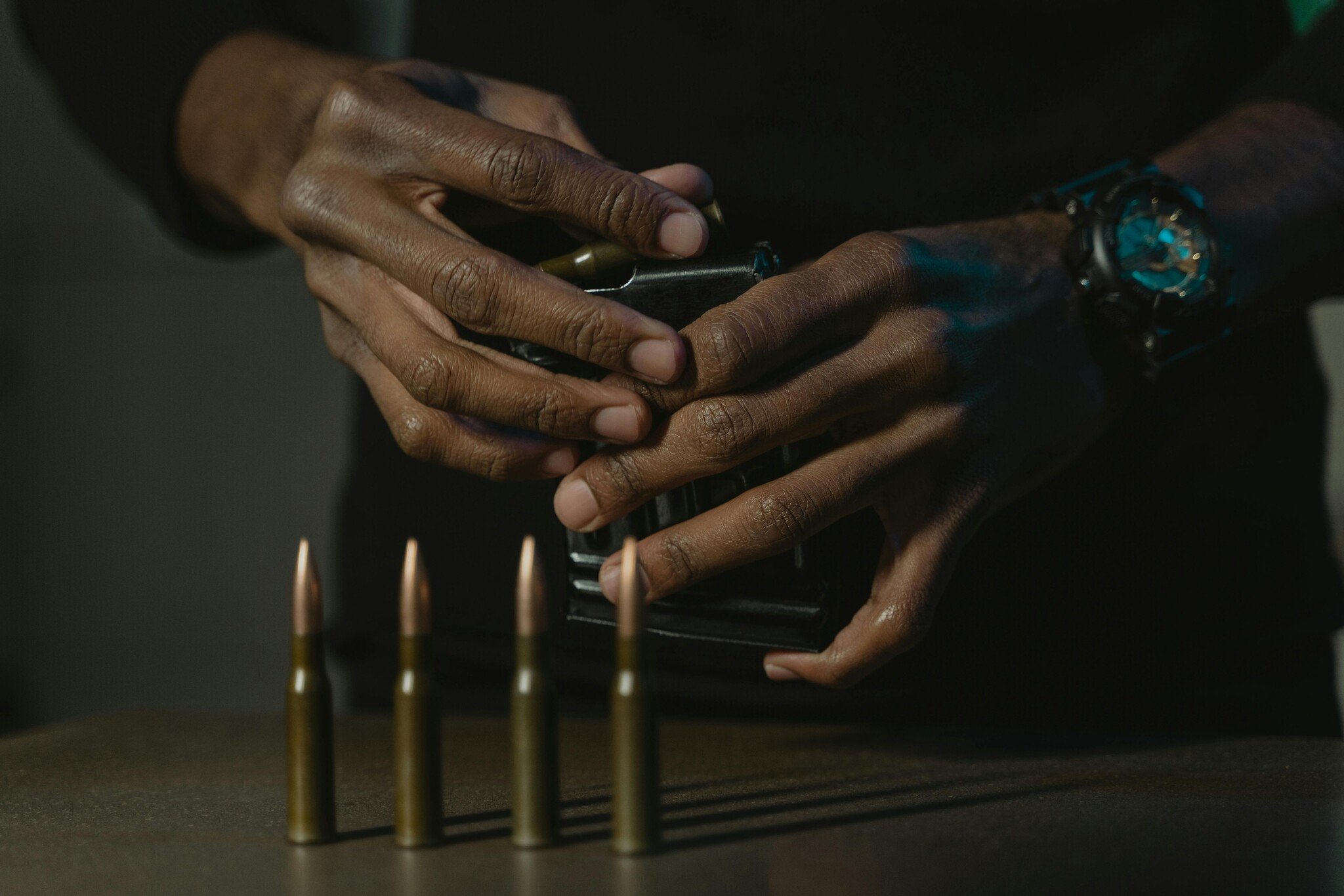
Magazines, in the context of firearms, are critical components that feed ammunition into the chamber of a gun. Understanding the various types of magazines and their uses is essential for gun owners, enthusiasts, and professionals in the field. This article delves into the different categories of magazines, their specific roles in firearm performance, and best practices for selection, maintenance, and safe handling. We will explore rifle magazines, shotgun shells, the art of reloading, firearm accessories, and the intricacies of ammunition to provide a comprehensive guide on these vital firearm components.
Key Takeaways
-
The specificity of caliber is crucial when selecting rifle magazines to ensure compatibility and optimal firearm performance.
-
Magazines play a significant role in the reliability and speed of loading/unloading, affecting the overall effectiveness of the firearm.
-
Shotgun shells come in different types such as buckshot and slugs, each designed for specific purposes and impacting shotgun performance differently.
-
Reloading your own ammunition can be a cost-effective and customizable approach to shooting, but requires knowledge of safety practices and the right equipment.
-
Proper storage and maintenance of ammunition are vital to preserve its quality and prevent malfunctions during use.
The Wide World of Rifle Magazines
Understanding Caliber Specificity
When it comes to rifle magazines, one size definitely does not fit all. Caliber specificity is crucial because each magazine is designed to hold and feed cartridges of a specific size and shape. This ensures reliable feeding and function of your rifle. For instance, a magazine designed for 5.56 NATO rounds won't properly accommodate 7.62x39 cartridges, and vice versa.
Here's a quick rundown of common rifle calibers and their corresponding magazine types:
-
5.56 NATO: Often used in AR-15 rifles, these magazines are widely available and come in various capacities.
-
7.62x39: Commonly associated with AK-47 rifles, these magazines are designed for a larger, more powerful round.
-
.308 Winchester: Typically used in hunting and sniper rifles, these magazines need to be sturdy to handle the high-powered rounds.
Choosing the right magazine for your rifle isn't just about fit; it's about performance. A well-matched magazine and caliber ensure that your rifle operates smoothly and reliably, shot after shot.
Remember, using the wrong magazine can lead to malfunctions and potentially dangerous situations. Always double-check your rifle's specifications and consult with experts if you're unsure about compatibility. And let's not forget, some innovative companies like Magpul and SureFire have developed STANAG-compatible casket magazines, expanding compatibility and capacity for shooters.
The Role of Magazines in Firearm Performance
Magazines are more than just ammunition holders; they're a critical component that can significantly affect a firearm's reliability and performance. A well-matched magazine ensures smooth feeding and cycling of rounds, which is essential for both competitive shooting and real-world applications. When it comes to rifles, the variety of magazinesavailable is vast, each designed to cater to specific models and calibers.
-
Caliber compatibility: Ensure the magazine matches the caliber of your rifle to avoid malfunctions.
-
Capacity: Choose a magazine with a capacity that suits your needs and complies with local laws.
-
Material and build: Consider the durability and weight of the magazine, as it can impact handling.
-
Spring tension: A consistent spring tension is crucial for reliable feeding.
Remember, investing in quality magazines is as important as selecting the right rifle. A magazine that doesn't fit properly or has weak springs can lead to feed issues, jams, and other malfunctions that could compromise your shooting experience.
Whether you're a sport shooter, hunter, or in law enforcement, understanding the nuances of rifle magazines can make a significant difference in your shooting efficiency. Always consult with experts or do thorough research before making a purchase, keeping in mind the specific requirements of your firearm and the type of shooting you'll be doing.
Choosing the Right Magazine for Your Rifle
When it comes to rifles, the magazine isn't just a container for your bullets; it's a crucial component that can affect the reliability and performance of your firearm. Choosing the right magazine is essential, whether you're at the range or in the field. Here's a quick rundown to help you make an informed decision:
-
Compatibility: Ensure the magazine fits your rifle model and caliber.
-
Capacity: Consider the legal limitations and your intended use.
-
Material: Options include durable steel, lightweight polymer, or a combination of both.
-
Spring Quality: A strong, reliable spring ensures consistent feeding.
-
Follower Type: Anti-tilt followers can prevent jams and misfeeds.
Remember, a good magazine can make all the difference in your shooting experience. It's not just about holding rounds; it's about delivering them reliably when you need them most.
Lastly, don't forget to check out Siwash Sports for a variety of firearms and accessories. Their team of experienced industry professionals can guide you through your magazine selection and more. Stay connected for articles on hunting gear and firearm maintenance tips.
Shotgun Shells: More Than Just Birdshot
Buckshot Versus Slug: What's the Difference?
When it comes to shotgun ammunition, the terms 'buckshot' and 'slug' refer to two very different types of projectiles. Buckshot is a shell loaded with multiple small round pellets, typically used for hunting game at a closer range or for home defense. On the other hand, a slug is a single, large projectile that can deliver a powerful punch and is effective at longer ranges than buckshot.
-
Buckshot: Ideal for close-range, multiple targets.
-
Slug: Suited for single targets at a longer distance.
Choosing between buckshot and slug depends on your intended use. For instance, if you're aiming for precision and need to hit a target at a distance, a slug is your go-to. However, if you're in a situation where you might face multiple threats or need a wider spread, buckshot would be more appropriate. Remember, the choice of ammunition can significantly affect your shotgun's performance and suitability for different scenarios.
Always consider the environment and the specific task at hand when selecting your shotgun ammo. Safety should be your top priority, and using the right type of shell can make all the difference.
Selecting the Right Shell for Your Shotgun
When it comes to shotguns, the type of shell you choose can make a significant difference in your shooting experience. Selecting the right shell is crucial, whether you're aiming for precision in sport shooting or effectiveness in hunting. Shotgun shells come in various sizes and types, such as buckshot, slug, and birdshot, each designed for specific purposes.
Here's a quick rundown on the common types of shotgun shells:
-
Buckshot: Contains large pellets, ideal for big game hunting and home defense.
-
Slug: A single, heavy projectile used for hunting large animals at moderate ranges.
-
Birdshot: Smaller pellets that spread out, perfect for hunting birds and clay pigeon shooting.
Remember, the right shell not only affects your accuracy and the impact on the target but also how the shotgun handles and feels during the shot. It's about finding the balance between power and precision for your specific needs.
Lastly, always consider the recommendations of your shotgun's manufacturer and ensure compatibility. For instance, Beretta offers a range of high-quality firearms blending Italian craftsmanship and technology. From shotguns to rifles, Beretta sets the standard for performance and reliability. Matching your shells with the right shotgun will enhance your overall shooting experience.
The Impact of Shell Type on Shotgun Use
When it comes to shotguns, the type of shell you choose can drastically alter your shooting experience. Buckshot, with its multiple pellets, is ideal for close-range defense and hunting game, while slugs, being a single, large projectile, are better suited for longer distances and bigger targets. Here's a quick rundown on how each shell type affects shotgun use:
-
Buckshot: Scatters multiple pellets, increasing hit probability at close range.
-
Slug: Offers a single, precise shot for longer ranges.
-
Birdshot: Contains small pellets, perfect for hunting birds and clay shooting.
The choice of shell can also influence the recoil you feel, the damage dealt to the target, and even the wear on your shotgun over time.
Remember, the right shell can make all the difference whether you're defending your home, hunting, or participating in shooting sports. For instance, Challenger offers Canadian-made shotgun shells for competitive and recreational shooting, with products available at various price points.
Reloading: The Shooter's Craft
The Basics of Reloading Your Own Ammunition
Reloading your own ammunition can be a deeply rewarding hobby that not only saves money but also allows for customization to your specific shooting needs. It's a process that involves precision and patience, but once you get the hang of it, you'll be able to tailor your rounds for optimal performance.
-
Decide on the caliber: Start by choosing the caliber you want to reload. This will determine the type of powder, primers, brass, and bullets you'll need.
-
Gather your equipment: Essential tools include a reloading press, dies specific to your caliber, a scale for measuring powder, and a caliper for checking dimensions.
-
Prepare your brass: This involves cleaning, inspecting, and resizing the spent casings.
-
Prime, charge, and seat: Insert a new primer, carefully measure and add the correct amount of powder, then seat the bullet to the proper depth.
Remember, reloading is as much an art as it is a science. Each step requires attention to detail to ensure safety and reliability.
Whether you're a competitive shooter, a hunter, or just enjoy target practice, reloading your own ammo gives you control over every aspect of your shooting experience. From the weight of the bullet to the powder charge, you can fine-tune your loads to suit your preferences. Plus, it's a great way to stay stocked up on ammunition, especially when supplies are scarce.
Essential Reloading Equipment
When you're ready to take the plunge into reloading your own ammunition, having the right equipment is crucial. Reloading is both an art and a science, and the quality of your gear can make all the difference. At the heart of your setup will be a solid reloading press, but that's just the beginning.
Here's a quick rundown of the essentials:
-
Reloading Press: The cornerstone of any reloading bench.
-
Dies: Specific to the caliber you're reloading; they resize the brass and seat the bullet.
-
Scale: Precision is key, so a reliable scale is a must for measuring powder.
-
Calipers: For measuring case lengths and bullet diameters to ensure consistency.
-
Priming Tool: To seat new primers into the brass.
-
Powder Measure: For dispensing the correct amount of powder into each case.
-
Case Tumbler: To clean and polish brass before reloading.
Remember, the goal is to produce ammunition that is safe, reliable, and accurate. Take your time to learn the process and invest in quality equipment that will last.
If you're looking for recommendations, the Hornady Lock-N-Load Iron Press Kit is a top pick for best overall reloading kit, while the Frankford Arsenal Essentials Reloading Kit offers great value. For a classic setup, consider the RCBS Rock Chucker Supreme Master. Each of these kits comes with a variety of tools to get you started on the right foot.
Reloading Safety Tips
After you've mastered the basics of reloading and have your equipment set up, it's crucial to prioritize safety. Always follow the manufacturer's guidelines for your reloading press and components. This ensures that you're using the correct specifications and procedures for your ammunition.
Reloading is a precise process, and even small mistakes can have serious consequences. Keep a clean and organized workspace to avoid mixing up components or losing track of your progress.
Remember to inspect each cartridge during the reloading process. Look for signs of wear or damage, such as cracks or dents in the casing, as these can affect the integrity of the finished round. And when it comes to using a bullet puller, never use your bullet puller without wearing protective gear such as safety goggles and gloves. This will help protect your eyes and hands from any debris or accidental discharges.
Accessorize Your Firearm Experience
From Optics to Clothing: Enhancing Your Shooting
When it comes to shooting, the right gear can make all the difference. Optics, for instance, can transform your accuracy and targeting, whether you're at the range or in the field. But it's not just about the hardware; clothing also plays a crucial role in your comfort and performance.
-
Optics: Scopes, red dots, and laser sights for precision
-
Clothing: Tactical wear for comfort and ease of movement
-
Accessories: Extra magazines, cleaning kits, and ear protection
Enhancing your shooting experience goes beyond the firearm itself. It's about the synergy between the shooter, the gun, and the gear.
Remember, it's not just about having these items; it's about choosing the right ones for your specific needs. A seasoned gun owner's list of essentials always includes hearing protection, as it's crucial for safety at the range. Make sure to gear up with the essentials and tailor your equipment to suit your shooting style and environment.
The Must-Have Accessories for Every Gun Owner
When it comes to shooting, the right accessories can make all the difference. Every gun owner should have a basic set of accessories to ensure safety, maintenance, and improved performance. Here's a quick rundown of essentials:
-
Safety Gear: Never compromise on safety. Always have quality shooting glasses and ear protection at hand.
-
Cleaning Supplies: Keep your firearms in top condition with a good cleaning kit, including brushes, rods, and solvents.
-
Holsters and Cases: Protect and transport your firearms with durable holsters and cases.
-
Magazines: Extra magazines are not just convenient; they're crucial for range days or competitions.
Remember, investing in the right accessories is as important as selecting the firearm itself. Quality gear contributes to a safer and more enjoyable shooting experience.
While these are just the basics, many shooters also opt for customizations that match their specific needs. Whether it's tactical packs, mounting hardware, or even just some cool stickers to personalize your gear, the options are endless. And if you're looking for reliable products, consider checking out a trusted retailer like Siwash Sports, known for their extensive range of accessories and commitment to customer satisfaction.
Customizing Your Gear for Comfort and Efficiency
When it comes to shooting, comfort is king. Customizing your gear can make a day at the range or in the field much more enjoyable. By selecting grip panels that provide a comfortable grip, you can improve recoil management, personalize the aesthetics, optimize ergonomics, and enhance performance. It's not just about looks; it's about how your gear feels in your hands and how it helps you shoot better.
Customization isn't a one-size-fits-all approach. It's about finding what works best for you and your shooting style.
Here's a quick rundown of areas you might consider tweaking:
-
Grip Panels: Choose materials and textures that suit your preference.
-
Stocks and Slings: Adjust for the right fit and balance.
-
Trigger Adjustments: Fine-tune for a smoother pull.
-
Optics and Sights: Align for clear and quick target acquisition.
Remember, the goal is to create a setup that feels like an extension of yourself. Take the time to experiment and find the perfect combination of accessories that brings out the best in your shooting experience.
Ammunition Explained: Bullets, Cartridges, and Calibers
Deciphering the Numbers: Understanding Ammo Specifications
Ever find yourself scratching your head at the ammo aisle, trying to make sense of all the numbers and letters on the boxes? You're not alone. Understanding ammo specifications is crucial to ensuring you get the right rounds for your firearm. The 'caliber' of a bullet refers to its diameter, and it's typically measured in either millimeters (mm) or inches. For instance, a 9mm bullet is 9 millimeters in diameter, while a .22 caliber bullet is 0.22 inches in diameter.
But there's more to ammo than just caliber. You'll also encounter terms like 'grain,' which is a unit of weight for bullets, and 'cartridge,' which is the complete package of bullet, casing, powder, and primer. Here's a quick rundown to help you decode the lingo:
-
Caliber: Diameter of the bullet
-
Grain: Weight of the bullet (1 grain = 1/7000th of a pound)
-
Cartridge: The complete round of ammunition
Remember, the right ammo isn't just about size; it's about the right combination of all these factors for your specific firearm and shooting needs.
When shopping for ammo, you might come across a variety of types, each with its own purpose. For example, full metal jacket (FMJ) bullets are common for practice and target shooting, while hollow point bullets are designed for self-defense, expanding on impact to cause more damage. Match the ammo to your activity, and you'll be set for success.
The Importance of Choosing the Right Ammunition
Selecting the right ammunition is crucial for both the performance of your firearm and your own safety. Different firearms require specific types of ammo, and using the wrong kind can lead to malfunctions or damage. It's not just about the caliber; factors like bullet weight, casing type, and even the brand can impact your shooting experience.
When it comes to ammunition, precision and reliability are key. Federal is a brand that stands out for its wide range of products, catering to both target practice and hunting. Their commitment to accuracy and innovation ensures that shooters can trust the ammo they load into their firearms.
Here's a quick rundown of why ammo choice matters:
-
Compatibility: Ensures the ammo matches your firearm's specifications.
-
Performance: Affects accuracy, recoil, and overall shooting experience.
-
Safety: Reduces the risk of malfunctions and accidents.
Remember, the right ammunition can make all the difference in your shooting endeavors. Take the time to research and choose wisely!
Ammunition Storage and Maintenance Best Practices
Proper ammunition storage is crucial for maintaining the safety and longevity of your rounds. Always store your ammo in a cool, dry place to prevent corrosion and deterioration. Humidity is the enemy here, folks, so consider using desiccants or a dehumidifier to keep moisture at bay.
When it comes to maintenance, regular checks are a must. Look for any signs of damage or aging, such as discoloration or dents in the casings. It's also wise to keep your ammunition organized; this not only helps with inventory management but also ensures that you're using the oldest stock first.
Remember, safety is paramount. Always handle ammunition with care and keep it out of reach of children and unauthorized individuals.
Lastly, let's talk about transportation. If you're heading to the range or going on a hunting trip, make sure your ammo is securely packed in containers designed for the purpose. This will protect it from the elements and prevent accidental discharge.
Dive into the world of firearms with our comprehensive guide on 'Ammunition Explained: Bullets, Cartridges, and Calibers'. Whether you're a seasoned shooter or new to the sport, our detailed articles will provide you with the knowledge you need to make informed decisions about your ammunition. Visit Siwash Sports today to learn more and explore our wide selection of firearms and accessories!
Wrapping It Up
And there you have it, folks! We've journeyed through the diverse world of magazines, exploring the various types and their unique purposes. From the high-caliber options for the serious hunters to the tactical gear for the defense enthusiasts, and even the reloading supplies for the DIY aficionados, magazines are as varied as the needs of the shooters themselves. Whether you're a seasoned pro or just starting out, understanding the different magazines and their uses can enhance your shooting experience and ensure you're well-equipped for whatever your aim may be. So, load up on this knowledge and make every shot count!
Frequently Asked Questions
What are the most common types of rifle ammunition?
Common rifle ammunition types include 5.56 NATO, 7.62 NATO, .308 Winchester, 6.5 Creedmoor, and .223 Remington, among others.
How do I choose the right shotgun shell for my needs?
Choose shotgun shells based on your intended use: buckshot for large game or home defense, slugs for hunting large animals and longer distances, and birdshot for small game and bird hunting.
What equipment is necessary for reloading my own ammunition?
Essential reloading equipment includes a press, dies specific to your caliber, powder, primers, brass casings, and bullets.
What are some must-have accessories for gun owners?
Must-have accessories include a cleaning kit, safety gear like glasses and ear protection, a suitable case, and a comfortable sling for carrying.
How should I store my ammunition to ensure its longevity?
Store ammunition in a cool, dry place away from direct sunlight and moisture. Use ammunition cans or containers that provide a seal against environmental factors.
Can I customize my firearm for better performance?
Yes, firearms can be customized with aftermarket parts such as triggers, stocks, grips, and optics to improve performance and comfort.


